
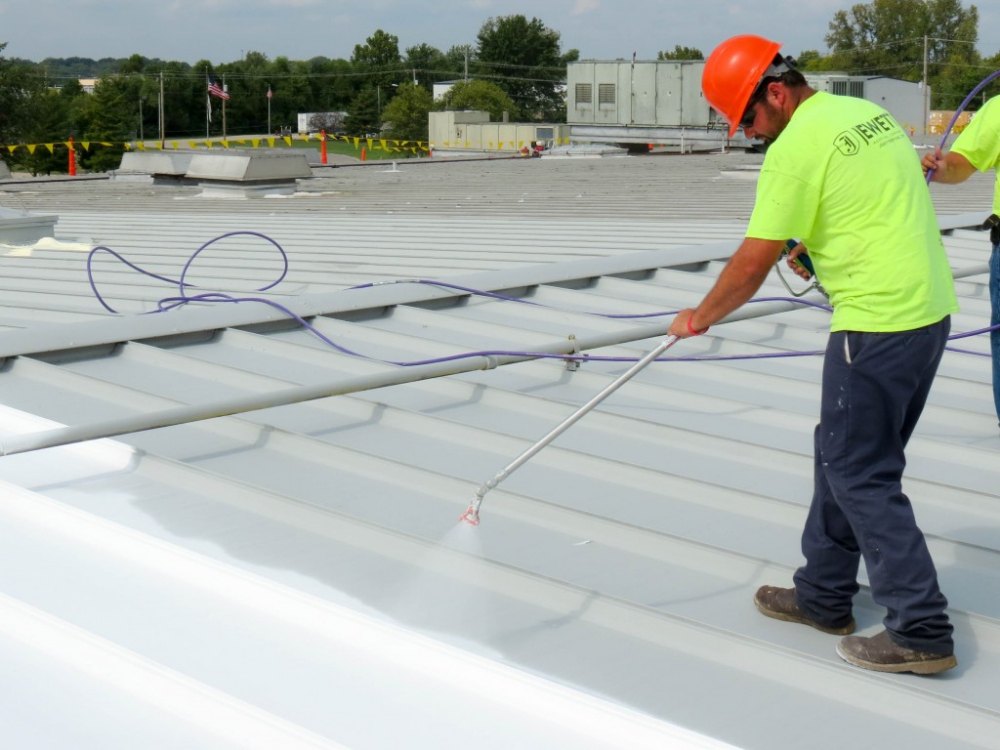
If you’re asking what is the best roof coating for metal roofs, the honest answer is this: the best coating depends on what your roof is dealing with right now. A metal roof with light surface wear needs a different system than one with active leaks, rust around fasteners, or ponding water near low spots. On the Gulf Coast, that choice matters even more because heat, humidity, salt air, and storm exposure can wear out the wrong product fast.
A lot of property owners assume roof coating is one product. It is not. Metal roof coatings come in a few main types, and each one solves a different problem. If you pick based on price alone, you can end up paying twice – once for the coating and again for repairs when it fails early.
For many metal roofs, silicone is the top performer when water resistance is the main concern. Acrylic is often the better value when the roof is still in decent shape and energy savings matter. Polyurethane is a strong option when impact resistance and durability are priorities.
That means there is no single “best” coating for every metal roof. There is only the best fit for your roof’s condition, slope, exposure, and budget.
If you want the short version, here it is. Silicone is usually best for metal roofs with leak concerns or areas that hold water. Acrylic is often best for reflective performance and lower upfront cost on sound roofs. Polyurethane is best when the roof takes abuse from foot traffic, hail, or mechanical equipment.
Silicone roof coatings are hard to beat when waterproofing is the top priority. They resist standing water better than most other coating types, which makes them especially useful on aging commercial metal roofs or low-slope sections where drainage is not perfect.
That matters because many metal roofs do not fail across the entire panel. They fail at seams, screws, penetrations, flashing details, and transition areas. A properly installed silicone system can seal those vulnerable spots and create a continuous membrane over the existing roof.
In hot, wet coastal climates, silicone also holds up well against UV exposure. It stays flexible and does not get brittle as quickly as some lower-grade products. For buildings that have recurring leaks after heavy rain, silicone is usually one of the first systems worth considering.
The trade-off is dirt pickup. Silicone tends to attract and hold more grime over time, which can reduce reflectivity. It can also be more difficult to recoat later unless the surface is prepared correctly. So while it performs well, it still needs a contractor who knows how to prep metal, address rust, reinforce seams, and apply the right mil thickness.
Acrylic coatings are popular for a reason. They are cost-effective, highly reflective, and a smart option for metal roofs that are aging but not badly deteriorated. If your main goal is to lower roof temperatures, improve energy efficiency, and extend the service life of a metal roof that is still in fair shape, acrylic often makes sense.
These coatings perform especially well on roofs with good drainage. They reflect sunlight well, which can help with cooling costs in hot southern climates. For commercial properties with large exposed roof areas, that can be a real benefit over time.
The limitation is water. Acrylic generally does not handle long-term ponding water as well as silicone. If your metal roof has low spots, backed-up drains, or recurring areas that stay wet after storms, acrylic may not be the best choice unless drainage issues are corrected first.
Acrylic also depends heavily on proper weather conditions during installation. If the coating is applied under poor conditions or over poorly prepared metal, performance drops fast. On the right roof, though, it is a practical and affordable restoration option.
Polyurethane coatings are known for toughness. They offer strong adhesion and better resistance to impact and foot traffic than many acrylic systems. If you have a commercial metal roof with service crews walking it regularly, rooftop equipment, or exposure to hail and mechanical wear, polyurethane can be a smart choice.
In many systems, polyurethane is used as a base coat because it bonds aggressively and adds durability. A silicone topcoat may then be added for UV and water resistance. That combination can work well when a roof needs both strength and waterproofing.
The downside is cost. Polyurethane usually comes at a higher price point, and not every roof needs that level of durability. For a residential metal roof with minimal traffic and no special abuse concerns, it may be more system than necessary.
The coating itself matters, but preparation matters just as much. A premium coating applied over loose fasteners, open seams, rusted panels, or contaminated surfaces is not a premium roof system. It is a temporary patch.
Before any coating goes down, the roof should be cleaned, inspected, and repaired. Rust has to be treated correctly. Failing fasteners need to be replaced or tightened. Open laps and penetrations need reinforcement. On many metal roofs, seam tape, fabric, rust-inhibiting primers, and detail sealants are part of the system, not optional extras.
This is where property owners get into trouble comparing quotes. One bid may include full prep, seam reinforcement, rust treatment, and a true restoration system. Another may be little more than pressure washing and spraying coating. Those are not the same job, even if both are called a roof coating.
Start with the actual problems your roof has today. If the biggest issue is leaking around seams and fasteners, silicone is usually the leading candidate. If the roof is weathered but stable and you want a cost-conscious reflective system, acrylic may be the better fit. If the roof takes a beating from traffic or equipment, polyurethane deserves a serious look.
Roof slope also matters. Steeper metal roofs often drain well, which makes acrylic more viable. Lower-slope metal roofs with drainage issues tend to favor silicone. The age and condition of the roof matter too. If the metal is severely deteriorated or structurally compromised, coating may not be enough and replacement may be the smarter investment.
Budget should be part of the conversation, but not the only part. A cheaper coating that fails in a few years is not a bargain. A properly selected and properly installed restoration system can postpone replacement, reduce leaks, and help control operating costs.
Roof coatings are a strong option when the metal roof is still structurally sound and the main issues are weathering, minor leaks, aging fasteners, exposed seams, and surface corrosion. In that situation, coating can extend roof life without the full cost and disruption of tear-off.
But coatings are not a cure for everything. If panels are badly rusted through, insulation is saturated, framing is compromised, or previous repair attempts have failed across the whole system, restoration may not be enough. At that point, a straight answer saves money.
That is why inspection matters. A contractor should be able to tell you whether your roof is a good candidate for coating, what prep is required, what warranty options are realistic, and whether repair or replacement makes more sense.
If your property has multiple roofing systems, it also helps to compare life expectancy across them. For example, if part of your building still has shingles, you may also want to read How Long Does a Shingle Roof Last? when planning long-term maintenance.
For many metal roofs, silicone comes out on top because it handles water, UV, and common leak points so well. If you want the safest general answer to which roof coating is best for a metal roof, silicone is often it.
But that does not mean silicone is right every time. Acrylic is a solid value on well-draining roofs. Polyurethane earns its place on roofs that need extra toughness. The right choice comes from matching the coating system to the roof, not forcing the same product onto every building.
If your metal roof is showing age, leaking around fasteners, or costing you money in repeat repairs, now is the time to get it looked at. A good coating system can buy years of service life when the roof is still a candidate. The key is getting a clear inspection, an honest recommendation, and a system built for the way your roof actually performs in the field.


