
Most homes in the Biloxi area are under-insulated for how hard our climate actually works — brutal summer heat pulling on your AC, and Gulf humidity working against whatever insulation you’ve got. The fix in most attics here is bringing R-19 (a common builder-grade minimum from decades past) up to R-38, the recommended level for our climate zone. That typically means adding about 10–12 inches of blown-in material on top of what’s already there. I’ve been insulating and re-insulating attics across the Mississippi Gulf Coast for over 30 years, and undersized insulation is one of the most common — and most fixable — energy problems I find in older homes.
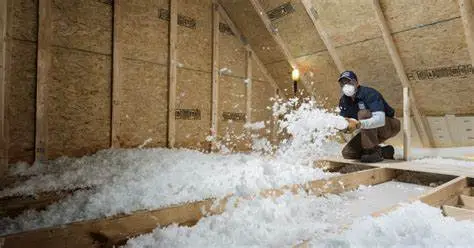
By adding six inches of blown-in attic insulation. Owens Corning above your ceiling, we can raise the R-value from R-19 to approximately R-38. This will save you hundreds of dollars on energy bills and it will pay for itself in approximately 2 years. That’s awesome by itself, plus you are eligible for nice tax credits for installing these EnergyStar products. You will feel more comfortable in your home and your air conditioner will run less with less maintenance costs. Best of all, we can do it all in just one day normally. We use Knauf Insulation and Owens Corning because they make the best attic insulation.
This is just one of the many energy saving services we offer. New windows and doors are also helpful, and your roof may also need attention. Call (228) 331-1215 for a free attic insulation estimate, or keep reading.
As a property owner, it’s important to ensure proper insulation to protect against extreme temperatures and prevent issues like high energy costs and mold growth. At Expert Roofing, we offer quality insulation services in Biloxi, MS, and surrounding areas for improved property efficiency and comfort.
Many ceiling insulation choices are available. Please ask which insulation is best for your home. We prefer Owens Corning and Knauf Insulation fiberglass ceiling materials. Blown in insulation is fast and easy and relatively inexpensive for the benefits.
Blown-in cellulose insulation and rolled batt insulation have their place too depending on you. Improving your attic ventilation may also be a good strategy to keep your home cooler and we can help.
Insulation isn’t just about keeping heat in during winter — on the Gulf Coast, its bigger job is keeping heat out in the summer and controlling moisture year-round. An under-insulated attic lets summer heat pour down into your living space, which means your AC runs longer and harder than it should to hold a comfortable temperature. That shows up directly on your power bill.
Humidity adds a second layer to the problem. The wrong insulation material, installed without attention to moisture, can actually make things worse instead of better — which is why the material you choose matters as much as how much of it you install.
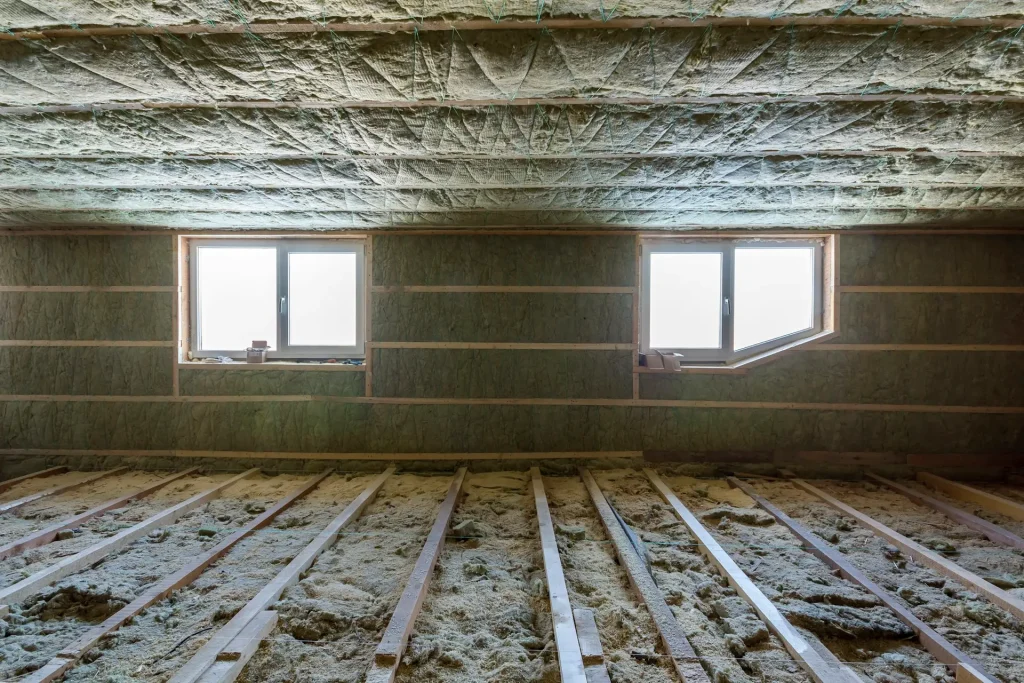
Mississippi doesn’t have a statewide mandatory residential energy code — enforcement is left to individual counties and jurisdictions, so what’s technically “required” varies depending on exactly where you live. But the 2021 International Energy Conservation Code sets R-38 as the recommended ceiling insulation level for our climate zone (Zone 2, covering the Gulf Coast), up from the older R-30 standard. I install to that R-38 target regardless of whether your specific jurisdiction enforces it, because it’s the level that actually performs in our heat — not a bureaucratic minimum.
If your attic currently has the old builder-grade R-19 fiberglass batts (common in homes built before insulation standards tightened), you’re sitting at roughly half the insulation your attic should have.
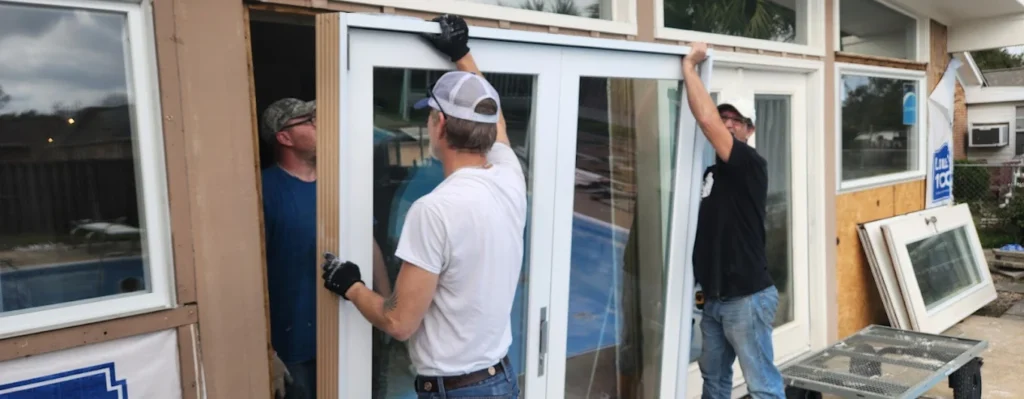
Protect your business and save energy with Knauf brand from Expert Roofing Service in Biloxi, MS. Our skilled team uses advanced tools to provide top-notch commercial roofing services, ensuring durability, leak-free protection, and resilience against harsh weather. Trust us for reliable roofing solutions that increase the value of your business. Use fiberglass-insulation for cost savings and call us when you need an insulation contractor near me. Insulated Doors and Windows are installed by Expert Roofing.
Blown-in insulation is a top choice for homeowners looking to insulate areas that are hard to reach or have irregular shapes, such as attics and wall cavities. This type of insulation is typically made from either cellulose or fiberglass, which is applied using a special blowing machine that evenly distributes the material. This process ensures complete coverage, filling every corner and crevice to minimize heat transfer and air leaks. Blown attic insulation has a high R-value, providing excellent thermal resistance and helping homeowners achieve significant energy savings.
Blown-in insulation’s ability to conform to any space makes it ideal for retrofitting older homes that may have settled or developed gaps over time. It’s also perfect for new construction, providing seamless insulation coverage. Whether you’re insulating an attic, walls, or other areas of your home, blown-in insulation works efficiently to prevent heat from escaping in winter and from entering during summer, keeping your indoor environment comfortable year-round.
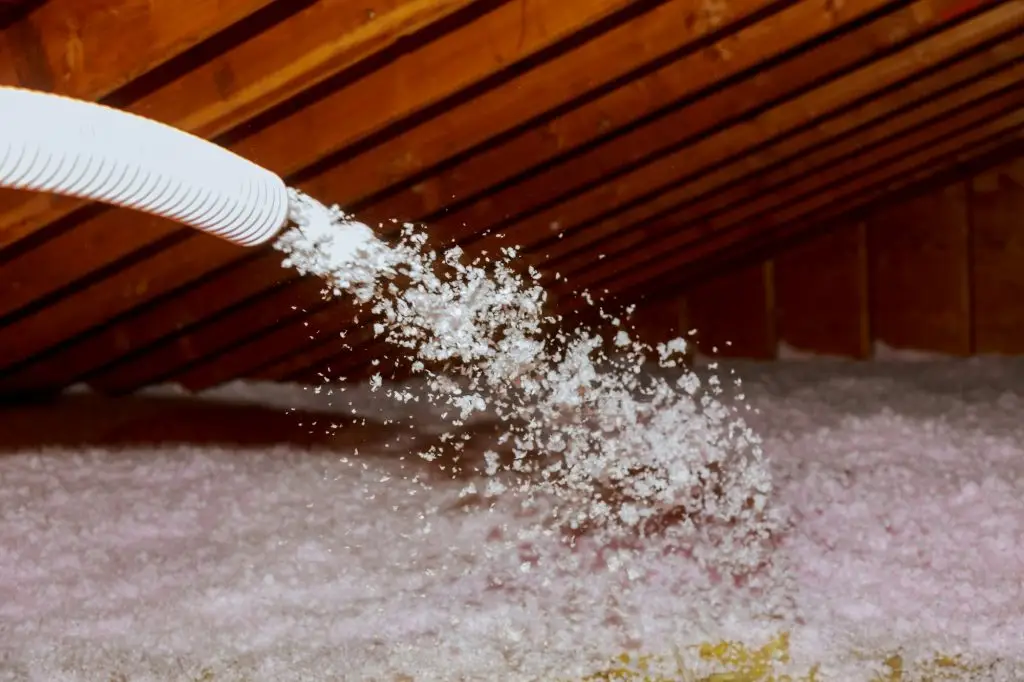
I get asked which material is better, and I’ll give you a straight answer instead of “it depends”: in a humid Gulf Coast climate, I recommend blown fiberglass over cellulose in most attics.
Blown fiberglass doesn’t absorb moisture — water passes through it without being retained, so it keeps performing even after a humid summer or a roof leak that gets caught late. It’s inorganic, so it doesn’t feed mold the way paper-based products can. And it doesn’t settle and compact over time the way cellulose does in damp conditions, which means the R-value you install is closer to the R-value you still have in ten years. We install Knauf and Owens Corning fiberglass for exactly these reasons.
Cellulose isn’t a bad product — it’s made largely from recycled paper, fills irregular spaces well, and can be a reasonable choice in the right situation. But in a humid climate, it can absorb and hold moisture, which both reduces its insulating performance and creates a mold risk if that dampness sits for any length of time, and it tends to settle and lose effective thickness faster here than in a drier climate. I’ll use it when it’s the right call for a specific job, but it’s not my default recommendation for a Biloxi attic.

Roof insulation comes in many forms. We have options for most roofs and structures.
Blown-in insulation gets into gaps, around wiring, over odd framing, and into tight corners that batt insulation simply bridges over and leaves gapped. Every gap in coverage is a spot where heat moves freely in both directions — so a “fully insulated” attic with batt insulation and visible gaps can perform noticeably worse than the R-value on the package would suggest. Blown-in fills those gaps completely, which is why it’s become the standard approach for attic retrofits rather than new batt installation.

At Expert Roofing, we take pride in providing blown-in home insulation services that meet the highest industry standards. Our team of professionals is experienced in installing blown-in insulation with precision, ensuring every inch of your home is properly insulated. Whether you need insulation for your attic, walls, or another area, our expert team will assess your space and recommend the best solution for your specific needs.
Improve your home’s comfort, lower your energy bills, and enjoy the peace of mind that comes with properly installed blown-in insulation. Contact Expert Roofing today for a free estimate.
This is something I check on every insulation job, and it’s worth knowing about even if you’re not hiring us: piling insulation up against your soffits blocks the intake airflow your attic ventilation depends on. If your ridge vent has nothing to pull air from because the soffit intake is buried under insulation, you’ve traded one problem (poor insulation) for another (a stagnant, humid attic that can’t dry out) — and stagnant humid air sitting against fresh insulation is exactly the condition that leads to mold and reduced insulation performance.
The fix is installing baffles (also called chutes) at the eaves before blowing in new insulation — they hold a clear air channel open between the soffit vent and the attic space, so you get full insulation depth and the airflow your roof needs. We check and install baffles as a standard part of every insulation job. If you want the fuller picture on how attic ventilation works and why it matters here, see our attic ventilation page.
Every attic is different — current insulation depth, attic size, accessibility, and material choice all move the number. For a full cost breakdown by material and project size, see our attic insulation cost guide. As a general range, most Biloxi-area jobs run $1.50–$3.50 per square foot installed, with a typical whole-attic project landing between $1,500 and $4,500. A free estimate gets you an exact number for your home.
How much attic insulation do I need in Biloxi, MS? Most homes in our climate zone should be insulated to R-38, which typically means about 10–12 inches of blown-in fiberglass. Many older Biloxi-area homes were built to an R-19 standard and are running at roughly half the insulation level recommended today.
Is fiberglass or cellulose better for attic insulation in a humid climate? Fiberglass generally performs better in Gulf Coast humidity. It doesn’t absorb moisture, doesn’t feed mold growth since it’s inorganic, and doesn’t settle and lose R-value over time the way cellulose can in damp conditions. Cellulose is still a viable product, but it’s not the default recommendation for a humid attic.
Is attic insulation still tax-deductible in 2026? No. The federal Energy Efficient Home Improvement Credit (IRS Section 25C), which allowed a tax credit for qualifying insulation, expired for installations after December 31, 2025. Homeowners who installed insulation in 2023–2025 may still be able to claim it on that year’s return — a tax professional can confirm eligibility for a specific situation.
Is there a Mississippi building code that requires a specific insulation level? Mississippi doesn’t have a statewide mandatory residential energy code — it’s enforced at the county or local level and varies by jurisdiction. Even where it isn’t strictly required, R-38 is the recommended ceiling insulation level for our climate zone under the 2021 IECC, and it’s the standard we install to.
Can adding attic insulation cause ventilation problems? Yes, if it’s installed without baffles at the soffits. Insulation piled against the eaves blocks the intake airflow that ridge and soffit ventilation systems depend on, which can lead to a stagnant, humid attic even after a good insulation job. Baffles installed at the eaves keep that airflow channel open.
How long does a blown-in insulation installation take? Most residential attic insulation jobs are completed in a single day, depending on attic size and accessibility.
What’s the difference between blown-in and batt insulation? Batt insulation comes in pre-cut panels and can leave gaps around wiring, framing, and irregular spaces. Blown-in insulation is applied loose and fills those gaps completely, which generally gives more consistent coverage and performance for attic retrofits.