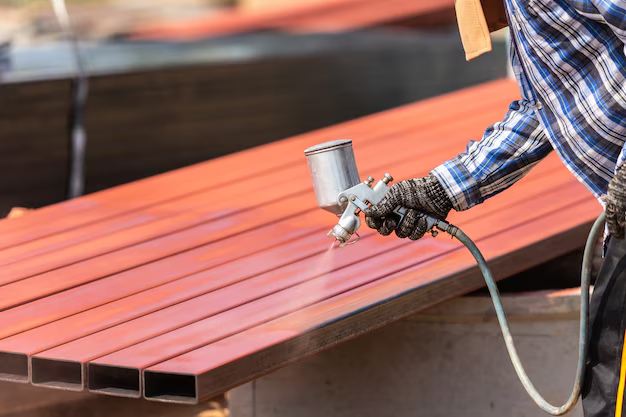
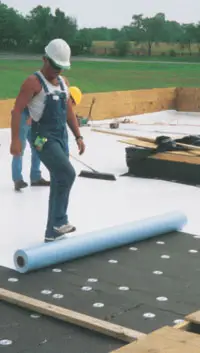
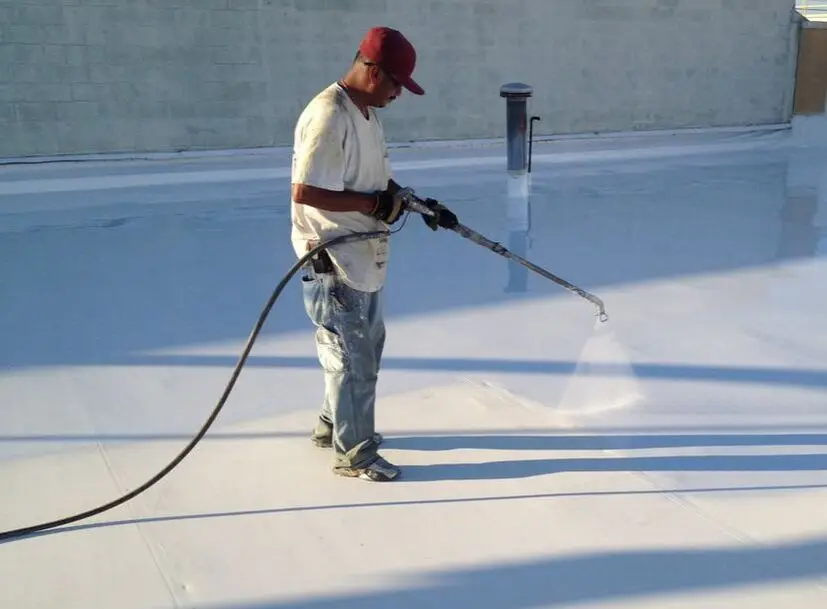
Keeping your building dry in Biloxi, MS is a critical service with great demand. If you are wondering how do I waterproof my roof then we may be able to help you. There are many techniques and waterproofing products we can choose for each situation. Expert Roofing is considered the Best Roof Waterproofing Service Company in South Mississippi. They are the exclusive distributor of Topps Products and Progressive Materials on the Mississippi Gulf Coast. We also offer several types of Roof Coatings and High-Tech Roof Sealants. Call us for all of your rubber roofing needs.
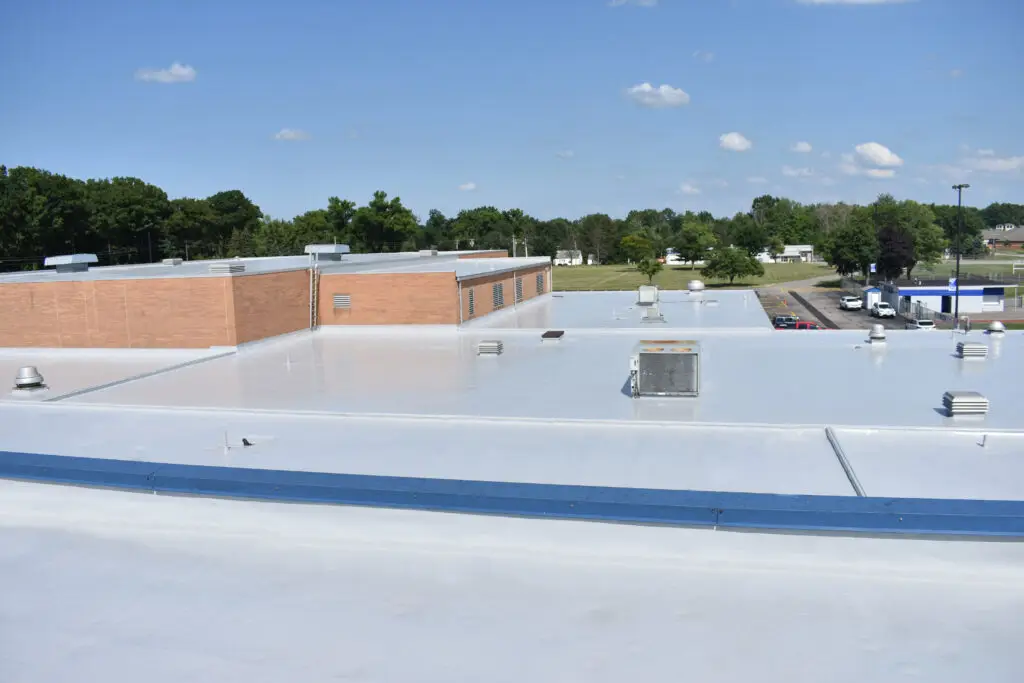
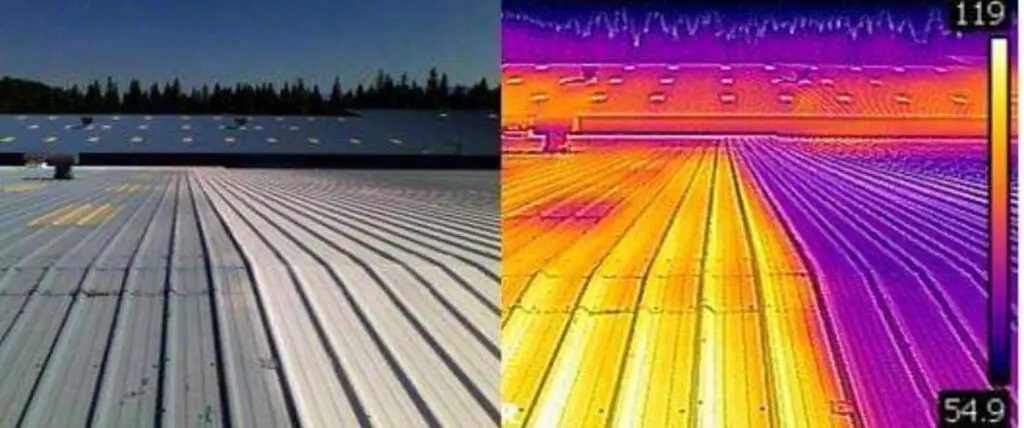
Expert Roof Waterproofing in Biloxi has the equipment and knowledge to stop the leaks on your building. Don’t forget about the other money saving benefits. The brilliant white roof will keep your building cooler in the summertime with less wear and tear on your Air Conditioning System. These Energy Star Rated products are awesome and you will earn a nice tax deduction for installing them. Ask me how!!!
Protect your property from leaks, ponding water, storm damage, and costly structural repairs with professional roof waterproofing from Expert Roofing. We specialize in long-lasting waterproofing systems for commercial flat roofs, low-slope roofing, metal roofing, and residential roof protection throughout Mississippi and surrounding Gulf Coast areas.
Whether you need preventative waterproofing, emergency leak protection, or restoration of an aging roof system, our team delivers durable solutions designed to extend roof life and reduce future repair costs.
Commercial roofs are constantly exposed to standing water, UV rays, heat, storms, and expansion stress. Without proper waterproof protection, even small cracks can lead to major interior damage and business interruptions.
We waterproof:
Our waterproofing systems help prevent:
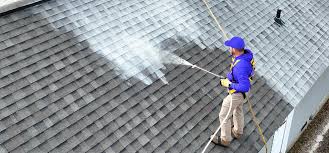
Your roof is your home’s first line of defense against moisture and severe weather. We provide residential roof waterproofing solutions that help protect shingles, flashing, valleys, and vulnerable roof areas from water intrusion.
Residential services include:
Flat roofs require specialized waterproofing systems because water drains slower than on steep-slope roofs. Our team focuses heavily on commercial flat roofing and protective coating systems designed for long-term performance.
We install:
Benefits of flat roof waterproofing include:
At Expert Roofing, we focus on reliable roofing and waterproofing solutions built for long-term protection. We understand the unique challenges of flat roofs and Southern weather exposure, and we work to deliver durable systems that protect your investment.
Customers choose us because we provide:
The lifespan depends on the roofing system and coating type, but many waterproofing systems last 10–20 years with proper maintenance.
Yes. Waterproof coatings and membrane systems are designed to seal vulnerable areas and prevent water intrusion.
In many cases, yes. Waterproofing and restoration can significantly extend the life of an existing roof and delay full replacement costs.
Most commercial and residential roofing systems can be waterproofed, including flat roofs, metal roofs, TPO, EPDM, and modified bitumen systems.
Protect your building before minor leaks turn into major repairs. Contact Expert Roofing today for professional roof waterproofing, roof coatings, leak prevention, and flat roof protection services.
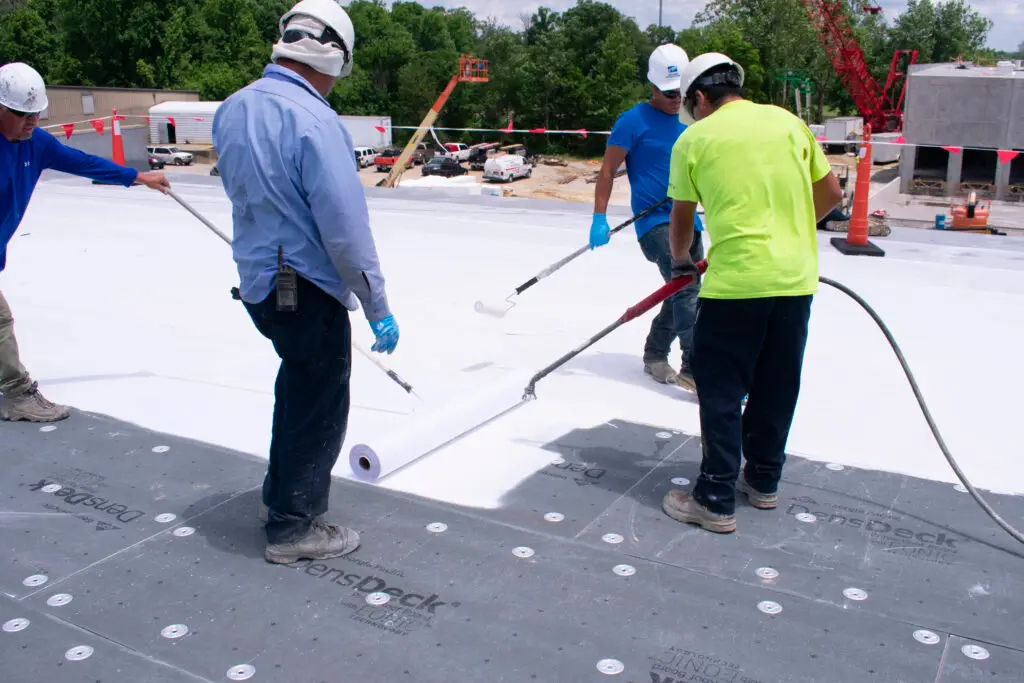
Roof coatings create a seamless waterproof barrier that helps stop leaks and protect existing roofing materials from further deterioration.
We evaluate your roof condition and recommend the best system based on:
Our waterproofing systems are designed to withstand heavy rain, heat, humidity, and severe Southern weather conditions.
You may need roof waterproofing services if you notice:
Early waterproofing can prevent expensive structural repairs and premature roof replacement.
Choosing the right roof coating depends on your roof condition, drainage, climate, and long-term goals. At Expert Roofing, we help property owners choose the best waterproofing system for their building.
| Feature | Acrylic Roof Coating | Silicone Roof Coating |
|---|---|---|
| Best For | Sloped roofs with good drainage | Flat roofs with ponding water |
| Water Resistance | Good | Excellent |
| UV Protection | Excellent | Excellent |
| Ponding Water Performance | Can wear down over time | Handles standing water very well |
| Cost | Lower upfront cost | Higher upfront cost |
| Durability | Good | Very durable |
| Energy Efficiency | Highly reflective | Highly reflective |
| Ease of Maintenance | Easier to recoat | Can attract dirt over time |
| Ideal Applications | Residential & light commercial | Commercial flat roofing |
Silicone coatings were introduced throughout the 1960s and ‘70s. They were used primarily in spray foam roofing applications but eventually evolved into a suitable coating solution for a variety of other commercial roofing substrates including metal, modified bitumen, built-up roofs, EPDM, TPO, PVC, and concrete.
Silicones are the most widely used coating material in modern commercial roof restoration. They are best known for their superior UV stability and resistance to ponding water. Silicones are a solvent-based material, meaning they are less susceptible to colder temperatures and therefore have a broader application window than water-based (acrylic) coatings. So if you are wondering how to waterproof my roof, then Silicone may be the answer.
Most of today’s silicone coating formulations have a solids content of 90% or greater, meaning less liquid material is used during application to achieve the required dry film thickness.
The primary drawbacks of silicone coatings are they can be challenging to spray, accumulate dirt, and are extremely slippery when wet. If foot traffic is expected on a silicone system, we highly recommend incorporating a walk path system to provide a slip-resistant surface.
Recommended reading: The Pros and Cons of Silicone Roof Coatings
Acrylic roof coatings have been around since the 1950s and remain a popular choice in the commercial roof restoration industry. They are suitable for use on a variety of substrates including metal, modified bitumen, built-up roofs, EPDM, TPO, PVC, concrete, and spray polyurethane foam.
Acrylic systems are prone to losing mil thickness as they age. They are also susceptible to freezing at colder temperatures. Acrylics need to be installed when outside temperatures are at 50°F or higher to achieve optimal adhesion.
Recommended reading: The Pros and Cons of Acrylic Roof Coatings
Silicone-coated roofs tend to get dirty within 6 to 12 months after application. While this trait isn’t necessarily a detriment to performance, it can lead to a slight loss in reflectivity over time. For this reason, we give acrylics the edge when it comes to thermal reflectivity.
Silicone roof coatings are far superior to acrylics in terms of UV performance. Unlike acrylics, silicones do not chalk, break down, or become brittle from prolonged exposure to the sun’s harsh ultraviolet rays.
Although they possess similar tensile strength, silicones are more durable than acrylics in the long run. Acrylic coatings simply don’t have the staying power of silicones. In fact, acrylic coating systems are known to lose mil thickness as they age.
Silicone coatings are best known for their resistance to ponding water (water that remains on the roof surface for more than 48 hours). This makes silicone the go-to solution for commercial flat roofs where ponding is more likely to occur.
As previously mentioned, acrylic materials will break down rapidly (pictured above) if subjected to long bouts of ponding water.
Compared to silicones, acrylic coatings are much easier to install. They are far less problematic on application equipment and only require water for clean-up.
Silicone coatings, on the other hand, can be quite difficult on application equipment and require virgin mineral spirits for clean-up.
As a water-based material, acrylic coatings are naturally the safer choice when it comes to the environment.
That said, many of today’s silicone coatings are formulated with little to no solvents and have extremely low VOCs (volatile organic compounds). This means certain high-solids silicone coatings are also considered environmentally friendly.
Although they are similar in appearance, acrylic coatings are more aesthetically pleasing than silicones in the long run. Acrylics are the best choice for steep-slope architectural metal roofs that are visible from the ground or nearby buildings.
As previously mentioned, silicone coatings have a tendency to accumulate dirt over time. While this issue has minimal impact on longevity and performance, it can cause silicone-coated roofs to become rather unsightly.
Both acrylic and silicone coatings can be tinted to custom colors, but unlike silicones, certain acrylic coatings are specifically formulated to hold their color longer.
Acrylic roof coatings have been around since the 1950s and remain a popular choice in the commercial roof restoration industry. They are suitable for use on a variety of substrates including metal, modified bitumen, built-up roofs, EPDM, TPO, PVC, concrete, and spray polyurethane foam.
Acrylic coatings are best known for being cost-effective, UV resistant, environmentally friendly, and easy to work with. Unlike silicones, acrylics are easy to clean up and are less harsh on application equipment.
Although acrylics are suitable for use on a variety of substrates, we highly recommend they only be used on steep-slope metal roofs where ponding water is not an issue. As a water-based material, acrylics do not hold up well to standing water.
Recommended reading: The Negatives of Acrylic Coatings on Flat Roofs
Acrylic systems are prone to losing mil thickness as they age. They are also susceptible to freezing at colder temperatures. Acrylics need to be installed when outside temperatures are at 50°F or higher to achieve optimal adhesion.
Recommended reading: The Pros and Cons of Acrylic Roof Coatings
Now that we’ve covered the basics of silicone and acrylic coatings, let’s see how the two chemistries stack up to one another in this silicone vs acrylic roof coating comparison.
Acrylic coatings generally cost less than silicones. While acrylics do have plenty of other notable qualities, their price point is the great equalizer in the silicone vs acrylic roof coating debate.
Many factors can affect the longevity of an elastomeric coating, but mil for mil, silicones last longer than acrylics. This is mostly due to the inherently superior UV and moisture resistance of silicone materials.
Both acrylic and silicone roof coatings have a thermal reflectance between 80-90%, meaning both chemistries perform similarly in terms of reflectivity—at least in the short term.
Silicone-coated roofs tend to get dirty within 6 to 12 months after application. While this trait isn’t necessarily a detriment to performance, it can lead to a slight loss in reflectivity over time. For this reason, we give acrylics the edge when it comes to thermal reflectivity.
Silicone roof coatings are far superior to acrylics in terms of UV performance. Unlike acrylics, silicones do not chalk, break down, or become brittle from prolonged exposure to the sun’s harsh ultraviolet rays.
Although they possess similar tensile strength, silicones are more durable than acrylics in the long run. Acrylic coatings simply don’t have the staying power of silicones. In fact, acrylic coating systems are known to lose mil thickness as they age.
Silicone coatings are best known for their resistance to ponding water (water that remains on the roof surface for more than 48 hours). This makes silicone the go-to solution for commercial flat roofs where ponding is more likely to occur.
As previously mentioned, acrylic materials will break down rapidly (pictured above) if subjected to long bouts of ponding water.
Compared to silicones, acrylic coatings are much easier to install. They are far less problematic on application equipment and only require water for clean-up.
Silicone coatings, on the other hand, can be quite difficult on application equipment and require virgin mineral spirits for clean-up.
As a water-based material, acrylic coatings are naturally the safer choice when it comes to the environment.
That said, many of today’s silicone coatings are formulated with little to no solvents and have extremely low VOCs (volatile organic compounds). This means certain high-solids silicone coatings are also considered environmentally friendly.
Although they are similar in appearance, acrylic coatings are more aesthetically pleasing than silicones in the long run. Acrylics are the best choice for steep-slope architectural metal roofs that are visible from the ground or nearby buildings.
As previously mentioned, silicone coatings have a tendency to accumulate dirt over time. While this issue has minimal impact on longevity and performance, it can cause silicone-coated roofs to become rather unsightly.
Both acrylic and silicone coatings can be tinted to custom colors, but unlike silicones, certain acrylic coatings are specifically formulated to hold their color longer.
In the case of silicone vs acrylic roof coating—who comes out on top?
Pound for pound, silicones are the best type of roof coating material on the market today. Their superior waterproofing and UV stability simply cannot be matched by other coating materials.
While silicone coatings are superior to acrylics in a lot of ways, it doesn’t mean they are the most appropriate solution for every roof restoration project. As we have said ad nauseum, choosing the proper roof coating solution depends on a number of critical factors.
Below, we recap when it is best to use acrylic and silicone coatings.
Still not sure which type of coating to go with for your commercial roof?
Click here to schedule your free onsite roof evaluation with an American WeatherStar Approved Contractor. Our Approved Contractors will thoroughly survey your roof and accurately determine the best coating choice for your roofing needs.
Now that we’ve covered the basics of silicone and acrylic coatings, let’s see how the two chemistries stack up to one another in this silicone vs acrylic roof coating comparison.
Acrylic coatings generally cost less than silicones. While acrylics do have plenty of other notable qualities, their price point is the great equalizer in the silicone vs acrylic roof coating debate.
Many factors can affect the longevity of an elastomeric coating, but mil for mil, silicones last longer than acrylics. This is mostly due to the inherently superior UV and moisture resistance of silicone materials.
Both acrylic and silicone roof coatings have a thermal reflectance between 80-90%, meaning both chemistries perform similarly in terms of reflectivity—at least in the short term.
Lorem ipsum dolor sit amet, consectetur adipiscing elit. Ut elit tellus, luctus nec ullamcorper mattis, pulvinar dapibus leo.
In the case of silicone vs acrylic roof coating—who comes out on top?
Pound for pound, silicones are the best type of roof coating material on the market today. Their superior waterproofing and UV stability simply cannot be matched by other coating materials.
While silicone coatings are superior to acrylics in a lot of ways, it doesn’t mean they are the most appropriate solution for every roof restoration project. As we have said ad nauseum, choosing the proper roof coating solution depends on a number of critical factors.
Below, we recap when it is best to use acrylic and silicone coatings.