A roof that performs well inland can fail early near the Gulf. Salt air works into exposed metal, wind drives rain beneath loose flashing, and high humidity keeps small leaks from drying out. Waterproofing systems for coastal buildings are not an optional add-on in South Mississippi. They are a practical defense against the weather conditions that shorten the life of roofs, walls, decks, and exterior surfaces.
For a homeowner, the warning signs may be a ceiling stain after a hard storm, peeling paint near a soffit, or water collecting where it should drain. For a commercial property owner or facility manager, the stakes can be higher: tenant complaints, damaged inventory, mold concerns, disrupted operations, and expensive interior repairs. The right system addresses the source of the water, not just the visible damage it leaves behind. Trust Expert Roofing in Biloxi, MS to handle your roofing needs and solve your roof leak problems.
Gulf Coast weather puts every exterior detail to work. Heavy rain is often accompanied by wind, which means water does not simply fall straight down and run off. It can be pushed under lifted shingles, into wall penetrations, around rooftop equipment, and behind aging siding or trim.
Salt-laden air adds another problem. It accelerates corrosion on fasteners, flashing, gutters, metal panels, HVAC supports, and other exposed components. When those materials deteriorate, gaps open. A waterproofing plan has to account for the roof field, but it also has to protect transitions, edges, seams, drains, and penetrations where failures commonly begin.
Humidity creates a slower kind of damage. Moisture trapped in insulation, wall cavities, or roof assemblies can weaken decking, feed mold growth, and reduce energy efficiency long before a major leak is obvious. That is why a good inspection looks beyond the stain on the ceiling. It checks how and where water is entering, how far it has traveled, and whether the building can dry properly after exposure.
The roof is the first line of defense, but not every roof needs the same solution. A shingle roof with storm damage may need targeted repair or replacement. An aging low-slope commercial roof may be a strong candidate for a coating-based restoration system. A metal roof may need seam treatment, fastener maintenance, rust control, and protective coating rather than a full tear-off.
The right recommendation depends on the roof’s age, existing condition, drainage, substrate, prior repairs, and the type of building below it. Applying a coating over wet insulation, loose material, active leaks, or failed flashing will not create a lasting repair. Surface preparation and detail work are what separate a reliable waterproofing job from a short-term patch.
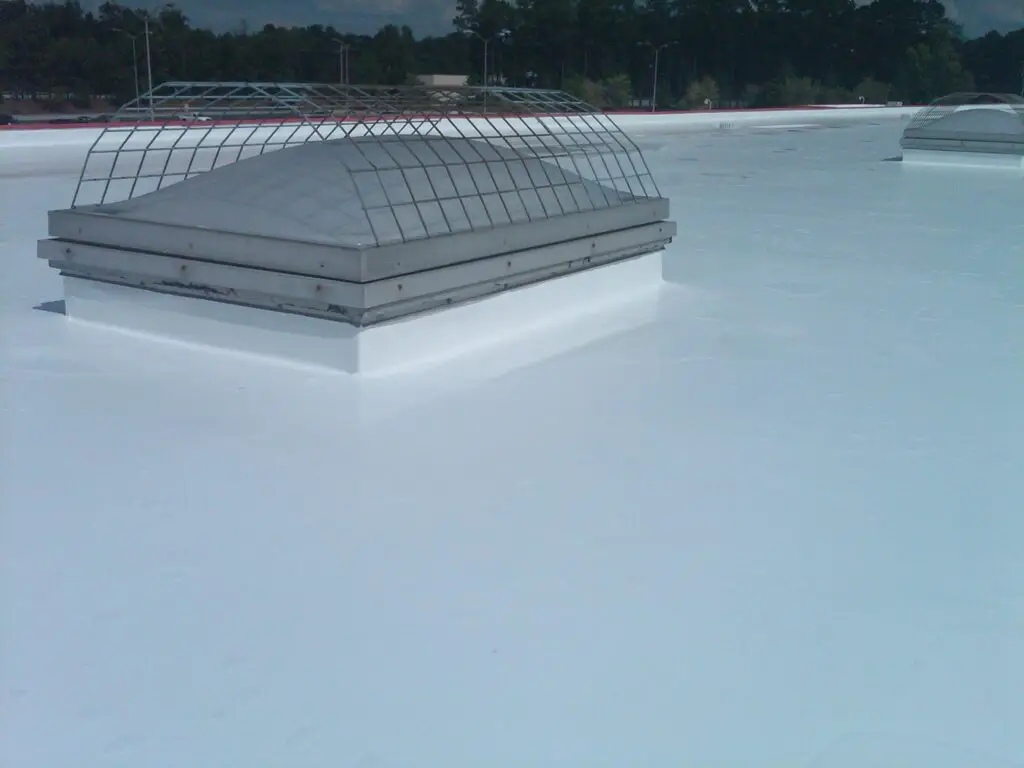
Roof coatings can be a cost-effective option for commercial buildings, apartment complexes, hotels, warehouses, and other structures with low-slope roof systems. When the existing roof is still structurally sound, a properly installed coating can seal seams, reinforce vulnerable details, help reflect sunlight, and extend service life without the disruption of a complete replacement.
Coatings are not a one-size-fits-all product. The roof must be cleaned and prepared, damaged areas must be repaired, and seams, penetrations, drains, curbs, and flashing must receive the right treatment. In coastal conditions, the coating also needs to stand up to ponding water, ultraviolet exposure, heat, and repeated storm cycles.
A restoration system can make sense when a building owner wants to manage costs, reduce tear-off waste, and gain additional protection from leaks. It may not be the right answer when the roof deck is compromised, moisture is widespread beneath the membrane, or the system has reached the end of its usable life. A straightforward inspection should tell you which path makes financial sense.
Steep-slope roofs rely on overlapping materials to shed water. That makes flashing, underlayment, pipe boots, valleys, ridge areas, chimney transitions, and roof-to-wall connections especially important. A few missing shingles are easy to spot. A failed valley lining or improperly sealed wall flashing can cause more serious hidden damage.
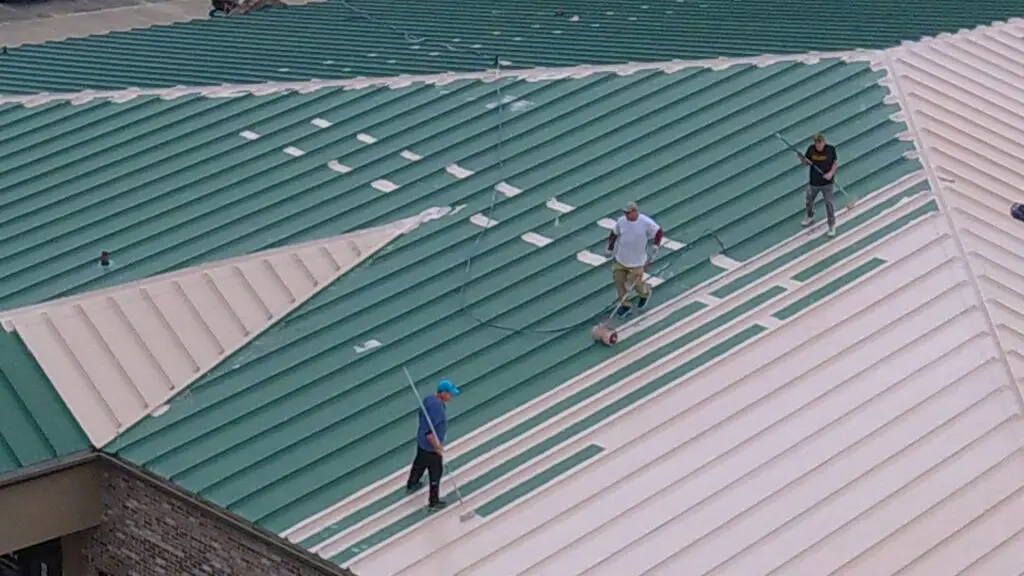
Metal roofs need special attention along fasteners, panel seams, ridge caps, transitions, and areas where coating has worn away. Coastal corrosion can turn a minor maintenance issue into an active leak. Timely sealing, replacement of failed fasteners, and coating applications can often preserve a metal roof that still has years of useful service left.
Waterproofing does not end at the roof edge. Wind-driven rain can enter around windows, doors, siding joints, vents, fascia, and trim. On homes, this may show up as soft wood, bubbling paint, damp drywall, or discoloration around window openings. On commercial properties, it can appear as recurring interior leaks that continue even after roof repairs.
The repair may require resealing exterior penetrations, replacing damaged trim, correcting failed flashing, improving drainage, or repairing siding. The goal is to restore a continuous weather barrier so water has no easy route behind the exterior finish.
Gutters and downspouts also deserve attention. If roof runoff is overflowing near entryways, washing against siding, or pooling beside the foundation, the building is taking on water that should have been directed away. Proper gutter sizing, secure installation, and clear discharge paths are simple improvements that can prevent larger exterior and foundation problems.
Coastal water damage is often gradual, and waiting for a visible ceiling leak can make the final repair more expensive. Schedule an inspection if you notice repeated leaks after storms, stains on ceilings or walls, peeling exterior paint, loose flashing, corroded metal, soft fascia, clogged or overflowing gutters, standing water on a flat roof, or a musty odor in attic and upper-floor spaces.
Commercial property managers should also watch for rising maintenance calls in the same area, wet insulation, roof membrane blisters, open seams, and drainage problems around rooftop equipment. These issues can point to water entry before it affects occupied spaces.
After a named storm or a period of hard wind-driven rain, an inspection is a smart move even if there is no obvious interior damage. Storm damage is not always dramatic. A loosened edge, cracked seal, or lifted flashing detail can become a major leak during the next weather event.
The cheapest repair is not always the most affordable outcome. Repeated spot repairs on a failing roof can cost more over time than restoration or replacement. At the same time, replacing a roof that can be restored is not always necessary. The best choice comes from an honest assessment of the building’s condition and the owner’s goals.
For many Gulf Coast property owners, the decision comes down to three practical questions: Is the existing roof or exterior assembly still sound? Can the leak source be repaired and protected with a coating or waterproofing system? Will the repair provide enough service life to justify the investment?
A qualified contractor should explain the condition of the materials, show where water is entering or likely to enter, and provide options rather than pressure. Ask about preparation methods, materials, warranty coverage, maintenance needs, and whether related issues such as gutters, fascia, siding, or insulation should be addressed at the same time.
Waterproofing works best as preventive maintenance, not emergency cleanup. Regular roof inspections, prompt repairs, clean drainage paths, and attention to exterior joints can help property owners avoid the disruption that comes with water inside the building.
Expert Roofing helps homeowners and commercial property owners across South Mississippi evaluate leaks, aging roof systems, storm damage, coatings, and exterior trouble spots with practical recommendations and free estimates. If water has already found a way in, the right time to address it is before the next Gulf storm gives it a wider opening.
Metal Roofing vs Shingles Cost ComparedWhich Roof Coating Is Best for a Metal Roof?How Long Does a Shingle Roof Last?Roof Waterproofing Problems and SolutionsRoof Waterproofing Problems and SolutionsRoof Cleaning and Shingle Rejuvenation in Pascagoula