
How Expert Roofing & Home Improvements Can Extend Roof Life and Reduce Water Damage Risks
Water intrusion and accelerated roof degradation are avoidable risks that silently erode asset value and drive disproportionate repair costs. Expert roofing & home improvements carried out with the right diagnostics and details can add years to a roof, sharply reduce leak incidents, and lower lifecycle spend. This guide shows which failure modes matter most, which professional tests change repair decisions, and a prioritized set of interventions and home improvements to maximize service life and minimize water damage risk.
1. Why proactive roof care matters for asset value and water risk reduction
Clear reality: deferred roof issues compound quietly and then become expensive emergencies. Small detail failures – flashing gaps, failed sealants at penetrations, clogged gutters that create ponding – are the usual starting points. Left unaddressed they damage interior finishes, mechanical equipment, and building structure, and they trigger tenant disruption and insurance claims that reduce net asset value.
Financial consequence: owners who treat roof work as only reactive spend more over a 10 to 15 year cycle than those who invest in targeted professional maintenance. This is not a perfect equation – frequency, roof type, and climate matter – but industry guidance from NRCA Technical Guidance and resilience recommendations from FEMA both support scheduled inspections and prioritized repairs as cost effective risk reduction.
What proactive care actually prevents
Operational risks prevented: targeted interventions stop most leak sources before they breach interior finishes. Practical point: replacing failing flashing or rerouting downspouts prevents repeated small leaks that erode drywall, promote mold, and force HVAC replacement. Those interior costs and business disruption are what erodes property value faster than the roof cost itself.
Tradeoff to understand: an annual professional audit is not a guarantee against every future leak. Diagnostics reveal likely failure locations and reduce uncertainty, but they do not eliminate the need for capital planning. Owners must balance inspection frequency and intervention depth against available capital – too light a program yields recurring emergency repairs, too heavy a program wastes funds on low-benefit work.
Concrete example: A 60 unit multifamily building in a wet climate scheduled a contractor-led roof audit and found degraded step-flashing at chimneys and several blocked scuppers. The owner authorized focused flashing replacement and scupper clearance for a low percentage of roof area. The next winter showed zero interior claims and avoided estimated drywall and HVAC repairs that would have cost three to four times the maintenance spend.
Lesser known benefit: proactive work also affects transaction and insurance economics. Documented maintenance records improve resale appraisal narratives and can reduce underwriting friction during insurance renewals. Buyers and underwriters value verifiable maintenance histories more than promises.
Actionable step: schedule a contractor-led roof audit at least annually, store the report with other asset records, and use the audit to build a prioritized, budgeted lifecycle plan tied to warranty and insurance timelines. See Expert Roofing services for diagnostic options at Expert Roofing Roof Waterproofing.
2. Common failure modes and how they accelerate deterioration
Direct statement: failures cluster at details, drainage points, and areas of mechanical stress, and those three categories determine how quickly a roof goes from cosmetic aging to active water intrusion.
Where degradation starts and how it runs
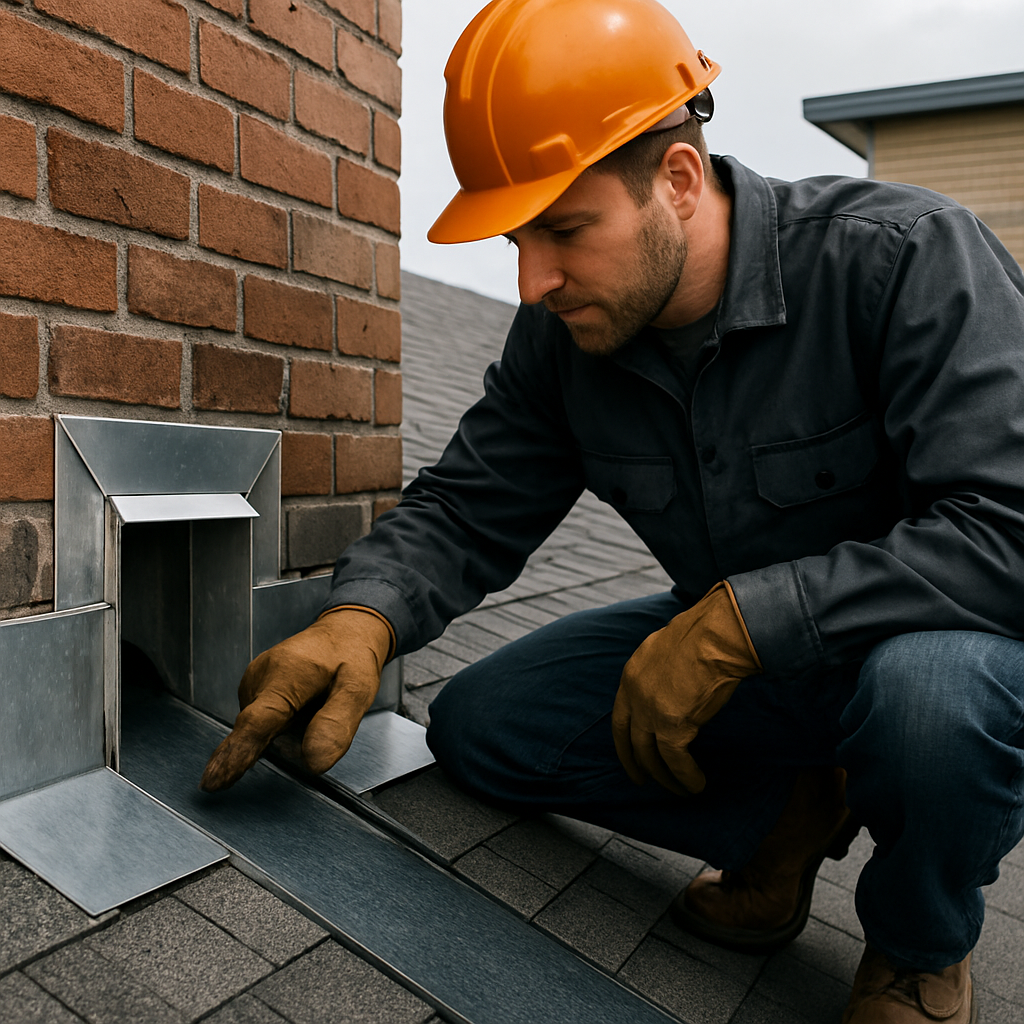
Flashing and penetration failures: flashings, skylight and vent seals, and parapet terminations account for the majority of leaks because they concentrate movement, sealant aging, and differential attachment methods. On asphalt systems you see split step flashings and nailed-down underlayment blowouts; on low-slope membranes you find open laps and degraded peel-and-stick transitions; on metal roofs the usual suspects are loose fasteners, corroded seams, and failed panel laps.
Drainage and ponding: water that sits is a multiplier. Ponding accelerates UV and membrane softening, concentrates debris that holds moisture against shingles or flashing, and increases freeze-thaw cycles at roof edges. A small blocked scupper or a misdirected gutter can convert a sound roof into a structure with saturated insulation and trapped moisture within a single season.
Thermal cycling, ventilation, and insulation mismatch: heat trapped in an attic or a roof assembly increases material fatigue. Increased attic temperatures speed asphalt volatilization and cause metal fasteners to loosen. Conversely, poor ventilation and low R-value encourage condensation that rots decks from below. These are slow failures that suddenly become urgent when a leak shows up in finished spaces.
Mechanical damage and rooftop equipment: foot traffic, HVAC service pads, and unsecured equipment concentrate abrasion and puncture risk. Walkway wear paths, torn membranes around curb mounts, or scraped protective coatings often mark where a future leak will originate unless load distribution or protective pads are installed.
- Symptoms to watch: granule loss and cupping on shingles, rust streaking at seams, soft or sagging roof areas, consistent ponding after rain, repeated sealant failures at penetrations, and localized algae growth that indicates persistent moisture.
Practical tradeoff: prioritizing flashing and drainage repairs returns the biggest reduction in leak incidents per dollar. However, if the deck is saturated or there is widespread membrane delamination, those targeted repairs only delay an inevitable replacement and can increase long-term cost if they mask growing substrate failure.
Concrete example: a mid-size office building showed repeated leaks near rooftop HVAC curbs. Core sampling revealed water-saturated insulation under a membrane that had visible seam creep. Expert Roofing replaced curb flashings, re-sleeved fasteners, and installed walkway pads; the work stopped active leaks and restored several years of service, but the core samples also set a replacement horizon because the deck insulation remained compromised.
Judgment call owners miss: coatings are useful when the substrate is dry and details are sound, but they are not a fix for poor flashing, ponding, or saturated decks. Treat coatings as a life-extension tool, not an inexpensive bandage for structural problems. When in doubt, confirm with destructive testing.
3. Professional diagnostic tools and what they reveal
Direct point: a professional diagnostic program converts uncertainty into a prioritized set of interventions. Screening tools find candidates for repair; confirmatory tests change scope and budget. Use them in sequence or you will pay for unnecessary blanket work or miss buried failures.
How the main tests behave in the field
Infrared thermography: an effective low-cost screener that maps temperature anomalies tied to moisture, insulation voids, or ponding. Practical limit: thermal reads vary with time-of-day, wind, and solar loading; reflective coatings and metal panels reduce reliability. Treat thermal images as probable locations, not proof.
Moisture meters and probes: capacitance and dielectric meters give non-destructive indication of elevated moisture and are quick for spot checks. They are depth-limited and affected by cover materials, so readings should guide where to perform destructive confirmation rather than replace it.
Core cuts and destructive sampling: the only practical way to confirm saturation, identify deck deterioration, and measure insulation condition. They cost more and require patching, but the information they produce prevents wasted coatings or partial repairs that do not address root causes.
- Drone and high-resolution photography: rapid, safe documentation of flashing, seam condition, and shingle profile; excellent for stakeholder reporting and warranty records.
- Acoustic and smoke testing: targeted methods for tracing active leaks through assemblies and inside occupied spaces; useful when leaks appear only during storms.
- Adhesion and pull tests: verify whether coatings or fasteners will perform; skip these and you risk early failure after an otherwise successful-looking application.
Practical tradeoff: screen broadly with infrared and drones, then commit to cores only where readings exceed threshold or where coatings are proposed. Owners who skip confirmation commonly pay twice: once for an ineffective coating or patch, and again for the replacement that becomes unavoidable.
Concrete example: a 40-unit condominium had intermittent interior stains. A pre-dawn IR survey identified cold bands at parapet edges. Dielectric probing found elevated readings and two core cuts confirmed saturated insulation under the membrane. Expert Roofing removed only the affected zones, rebuilt the parapet flashings, and installed new tapered insulation—avoiding a full roof replacement that would have exceeded the repair cost by a large margin.
Use layered testing: screen with IR/drone, probe with moisture meters, then confirm with core sampling before coatings or large repairs.
Judgment to apply: do not let a single tool dictate the scope. Infrared is powerful for triage but overrated as a stand-alone justification for coatings or overlays. Insist on test-based decision triggers in the contract and documented diagnostics to protect lifecycle value. For diagnostic services, see Expert Roofing Roof Waterproofing.
Next consideration: include diagnostic scope and sample-count thresholds in the procurement package so proposals are comparable and you can make a repair-versus-replace decision on evidence rather than estimate.
4. Targeted repairs that deliver the highest life extension per dollar
Practical rule: a small number of focused repairs buys most of the extra service life you can expect without a full reroof. Spend on the right details and you cut leak frequency and postpone replacement; spend on the wrong scope and you waste capital while underlying decay continues.
Priority interventions and the reasoning behind them
Work at transitions and water-path controls is the highest-return target. That means renewing perimeter and penetration details, restoring continuous valley and seam integrity, and ensuring rapid, predictable drainage. For shingle systems this often means replacing compromised step-flashing and reinforcing metal-lined valleys; for low-slope roofs it means repairing open laps and re-establishing positive lap geometry with compatible membrane patches.
| Intervention | Primary failure addressed | Typical cost band | Realistic service-life gain |
|---|---|---|---|
| Detail flashing replacement (chimneys, skylights, parapets) | Sealant fatigue, movement joints, corrosion | Low-Medium | 3–8 years when substrate sound |
| Valley and seam rehabilitation (liner, reinforced underlayment) | Concentrated runoff and seam creep | Medium | 4–10 years depending on traffic and slope |
| Localized shingle/panel patching and fastening | Isolated physical damage and granule loss | Low | 2–6 years if wear is confined |
| Gutter/downspout and scupper correction | Ponding and roof-edge saturation | Low | Immediate reduction in water exposure; long-term life gains |
| Targeted membrane patching and adhesive reseals | Open laps, small penetrations | Low-Medium | 3–7 years if deck dry |
Tradeoff to consider: targeted repairs are cost-effective only when the roof assembly beneath is not broadly compromised. If destructive testing shows deck or insulation saturation, repeated spot repairs become sunk cost and accelerate the timetable to replacement. Use confirmatory core samples in suspect zones before approving a package of detail work intended to defer replacement.
- Decision trigger: favor targeted repairs when defects are concentrated (less than ~30% of roof area affected) and cores show dry or only locally damaged insulation.
- When to replace instead: choose replacement when saturation is widespread, substrate rot is confirmed, or repairs are recurring in multiple adjacent zones.
Concrete example: A four-story condo association had leaks confined to parapet-to-roof transitions. After two core cuts confirmed dry deck beyond the parapets, the contractor replaced the metal coping flashings, re-installed step flashings, and added new scupper liners. The work stopped interior claims and extended the roof's practical life by several seasons, avoiding a premature full replacement for the building.
Focus your budget on transition details, concentrated runoff paths, and drainage fixes. Those areas generate the most predictable reduction in leaks per dollar.
Next consideration: translate diagnostic findings into a prioritized repair list with timing and contingency language, then schedule the work in the next available maintenance window to stop leak escalation before it forces costly interior repairs or replacement acceleration. See targeted services at Expert Roofing Roof Waterproofing for diagnostics and repair execution.
5. When and how roof coatings and rejuvenation are effective
Direct point: roof coatings can be a high-value life-extension tool, but only when the assembly beneath is structurally sound, dry, and the work fixes vulnerable details first. Applying a coating over saturated insulation, open laps, or failed flashings is throwing money at a symptom and accelerating a messy replacement later.
How to think about coatings: treat them as part of a system upgrade, not a cosmetic refresher. That means: confirm substrate dryness with targeted core cuts or dielectric probes, repair flashings and seams, resolve ponding and drainage, then select a chemistry matched to the exposure (UV, traffic, ponding). Contractors who skip any of those steps produce short-lived results.
| Coating Type | Suited Roof Conditions | Performance Notes |
|---|---|---|
| Silicone | Low-slope roofs with ponding risk and sound membranes | Excellent water shedding and ponding resistance; limited recoat adhesion—future overlays require specific surface prep |
| Acrylic / Elastomeric | Sloped and non-ponding low-slope roofs with good drainage | Cost-effective, highly reflective for energy savings; will soften where water stands and loses performance if ponding persists |
| Polyurethane / Hybrid | High-traffic areas or roofs needing abrasion resistance | Good wear resistance and adhesion to many substrates; can be more expensive and needs correct priming |
Practical tradeoff: coatings defer replacement and reduce leaks when limited to roofs with less than about 40 percent surface degradation and no deck saturation. The trade is this: you buy years of service at a lower up-front cost, but you may complicate future replacement because coatings can change adhesion behavior and add removal cost. Plan the next-life path before you coat.
Concrete example: on a single-story retail building with an aging EPDM membrane, Expert Roofing performed an IR scan and two core cuts to confirm dry insulation. After repairing seams, replacing loose flashings, and fixing drainage, the crew applied a silicone restoration system. The owner gained roughly seven years of predictable service and avoided an immediate full replacement while documenting the work for warranty and future buyers.
What owners and managers should require: insist on a diagnostic-driven scope, an adhesion/pull test, and manufacturer product data tied to the warranty. If a proposal lacks a moisture map, core-sample summary, and detail-level flashing work, consider it incomplete and ask for evidence-based amendments.
Key takeaway: only coat a roof when diagnostics and detail repairs show a stable substrate. When done correctly coatings buy predictable service life and energy benefits; done poorly they delay the inevitable and increase total cost.
6. Metal roofing and membrane refurbishment techniques
Direct point: metal roofs and single-ply membranes demand different repair logics; treating them the same almost always shortens useful life or creates hidden failure modes. Address fasteners, thermal movement, and material compatibility first; cosmetic coatings or blanket patches come second.
How the systems differ in practice
Key distinction: metal panels fail by mechanical fatigue and corrosion at fasteners and seams, while single-ply systems fail at laps, flashings, and adhesive-aged interfaces. For metal, the failure surface is usually localized holes and seam creep. For single-ply, it is seam adhesion and substrate saturation. Each requires a tailored fix.
Practical interventions for metal roofs include seam re-fastening with correct fastener patterns, re-sleeving or replacing worn fasteners, selective panel replacement where edge tear or corrosion exists, and strip coatings only after proper surface prep and rust treatment. Re-sleeving is cost effective when holes are not elongated and panel geometry is uncompromised; if holes are over-sized or panels are fatigued, re-sleeving delays failure at best and creates liability at worst.
For low-slope single-ply (EPDM, TPO, PVC) the work palette is different: localized adhesive repairs, welded or taped seam rehabilitation, full patching with compatible membrane, and in some cases a full overlay. Adhesive compatibility matters. TPO and PVC rely on heat welding; EPDM uses adhesives and tapes. Using the wrong adhesive or skipping a pull test results in rework within a season.
- Diagnostic musts: core cuts to confirm deck dryness, adhesion/pull tests on membranes or coatings, and fastener pull tests for metal panels
- Surface prep priorities: remove corrosion, apply primers approved by manufacturers, and ensure a clean, dry substrate before coatings or adhesives
- Thermal movement allowance: use slotted clips or floating fastener details on metal systems and allow for expansion in patch geometries on membranes
- Warranty and compatibility checks: verify that chosen materials and methods will not void existing manufacturer warranties
Tradeoff to accept: selective refurbishments save capital and restore service life when deterioration is localized. However, overlays and coatings make future replacement harder and sometimes more expensive. Owners must weigh immediate life extension against added removal cost and potential warranty complications.
Concrete example: on a municipal storage facility with leaky corrugated metal roof, technicians re-sleeved 120 fasteners, replaced 12 corroded panels at the ridge, and applied a polyester protective coating after spot rust conversion. The intervention stopped active leaks and delayed replacement by roughly six years, but inspection notes flagged panel corrosion that will force full replacement on the next cycle. In a separate case, a retail center with split TPO seams relied on hot-air weld repairs and welded flashings after core verification; the repairs eliminated storm-driven leaks and avoided an immediate overlay.
Do not let a coating or patch hide structural fatigue. Require test-based confirmation of dry substrate and secure fasteners before approving any life-extension work.
core sample results drive overlay versus replacement; pull tests decide fastener re-sleeving; and manufacturer TDS must be referenced in the contract. For refurbishment services and diagnostic options see Expert Roofing Roof Waterproofing and product guidance at Carlisle SynTec.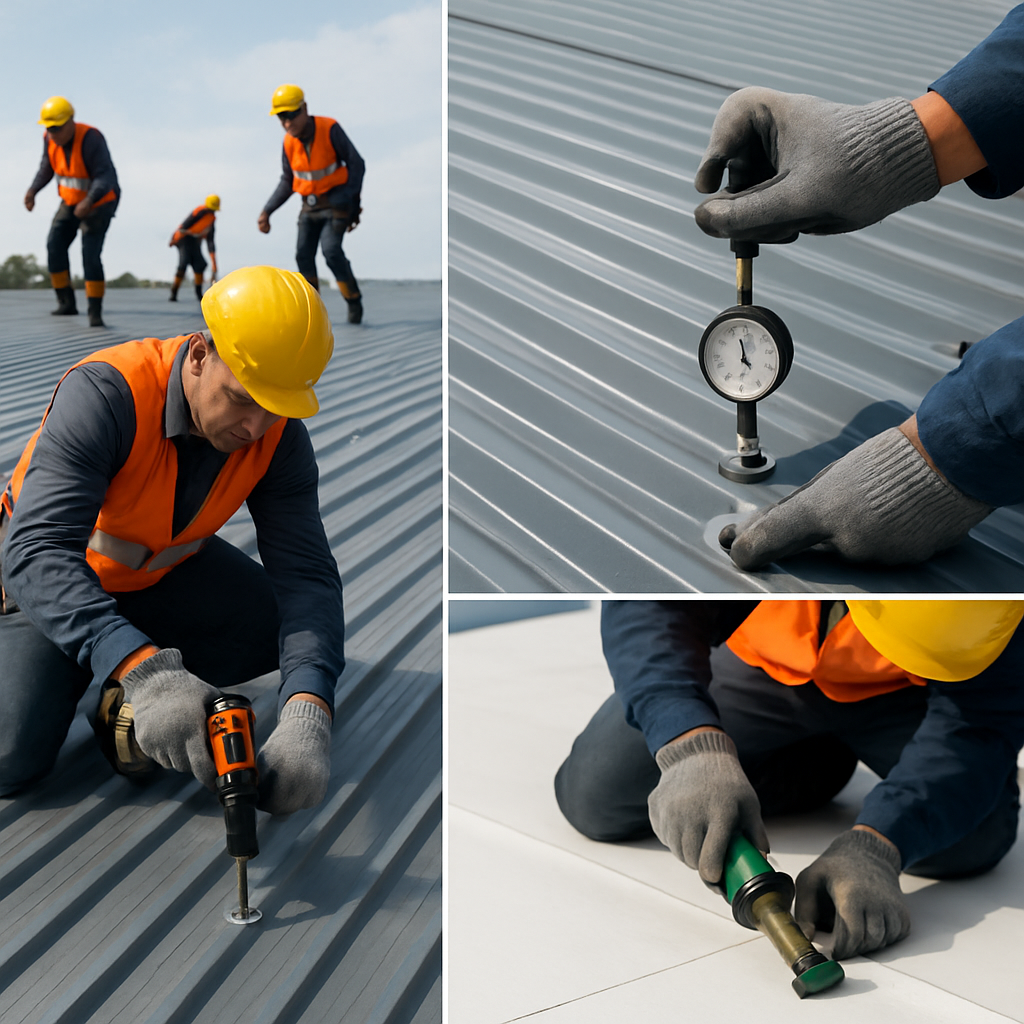
7. Home improvements that reduce roof stress and water infiltration risk
Direct point: Properly targeted home improvements often reduce the cause of roof failure more effectively than patch repairs. Attic, drainage, and exterior work change how water and heat move through the building envelope, which in practice lowers roof material fatigue, minimizes ice-dam and ponding events, and reduces the frequency of leak repairs.
Attic insulation and ventilation: Increasing attic R-value without addressing airflow or vapor control creates a different set of problems. Add insulation, install continuous intake and exhaust ventilation, and use baffles at eaves so insulation does not block airflow. Tradeoff to watch: in cold climates more insulation plus poor ventilation increases ice-dam risk; balanced upgrades prevent that and reduce thermal cycling that degrades shingles and membrane adhesives. For building science background see Building Science.
Site drainage and gutter strategy: Grade, gutter capacity, and downspout routing determine where water leaves the roof and yard. Regrading low spots, extending downspouts to daylight, and installing appropriately sized scuppers or storm leaders reduce edge saturation and foundation-driven moisture that can undermine fascia and roof terminations. Practical limitation: gutter guards reduce debris but do not replace correct slope, pitch, or periodic cleaning—choose systems with documented performance and plan for accessible cleaning.
Penetrations, equipment, and exterior details: HVAC curbs, new skylights, satellite mounts, and solar panels introduce movement and leak risk unless flashings and curb details are upgraded. Coordinate any rooftop equipment installs with your roofing contractor so curbs are properly flashed, fasteners are compatible with the roof system, and penetrations are minimized or consolidated. In practice, small changes here eliminate recurring technician-created leaks after service visits.
Practical sequencing and coordination
Execution order matters. Do a diagnostic audit first (infrared screening and spot cores where indicated), then prioritize permanent water-path fixes: reroute downspouts and fix drainage, repair or replace failing flashings, then perform insulation/ventilation work. If a coating or overlay is being considered, complete attic and drainage corrective work before applying any roofing membrane or coating so you are not sealing in unseen moisture. For contractor coordination and combined scopes see Expert Roofing home improvements.
- High priority: Correct scupper/downspout routing and repair fascia/soffit to stop edge saturation
- Next: Install baffles, add intake/exhaust vents, and upgrade attic insulation to climate-appropriate levels
- Then: Replace or upgrade flashing at skylights, chimneys, and HVAC curbs when equipment work is planned
- Consider: Gutter guards with proven performance, but only after confirming gutter pitch and capacity
Concrete example: A 1920s bungalow with recurring eave leaks received a combined scope: rerouted downspouts to daylight, installed ridge vents and eave baffles, and swapped degraded skylight flashings. After the work there were no eave leaks the following winter and technicians documented reduced attic moisture cycles; the owner deferred a full shingle replacement for several years and stopped repeated drywall repairs.
Judgment call owners miss: Home improvements look cheaper when priced separately, but sequencing them poorly wastes money. For example, adding insulation before fixing a blocked scupper locks moisture into a cool deck and accelerates membrane failure. Spend a small amount up front on diagnostics and a coordinated scope; that consistently yields better lifecycle outcomes than disjointed fixes.
Improve attic airflow, fix drainage paths, and coordinate any rooftop equipment or skylight work with your roofer before you insulate or coat. That sequence reduces the risk you are paying to entomb moisture.
8. Decision framework for repair, coating, or replacement
Core rule: let diagnostics drive the decision. Visual observations start the conversation, but moisture confirmation and detail-level findings should set the trigger for repair, coating, or replacement.
How to apply the framework
Step 1 – Triage with non-destructive screening: perform a drone survey and infrared scan to map suspect zones and prioritize where to probe. Treat the scan as a screening map, not a final decision.
Step 2 – Confirm with targeted tests: use moisture meters and then perform core cuts in the worst-reading zones. If core samples show dry deck and insulation, repairs or coatings remain on the table. If cores show saturation, replacement becomes likely.
Step 3 – Apply decision thresholds: choose the least invasive option that addresses root causes and preserves future options. Below are practical thresholds to apply in field decisions.
| Condition observed | Preferred action | Rationale and procurement note |
|---|---|---|
| Localized detail failures; cores dry; < 25% area affected | Targeted repairs (flashings, valleys, patches) | Repair preserves substrate; require a 12-month workmanship inspection and photographic acceptance |
| Widespread surface degradation but cores dry; drainage and details fixed | Controlled coating/restoration system | Coating adds predictable years; insist on adhesion tests and manufacturer TDS in contract |
| Saturated insulation/deck or repeated recurring leaks across multiple zones | Full replacement | Repairs add cost without fixing substrate; include core reports and removal/disposal plans in bid |
Practical tradeoff to accept: coatings save capital short term but can complicate removal and future warranties. If the owner values a clean future replacement path and minimal rework risk, replacement may be the better investment even when coatings appear cheaper initially.
Concrete example: A small office building faced slow leaks along parapets. Infrared screening flagged cold bands; two cores showed dry insulation under the membrane. The team replaced parapet flashings, repaired seams, and applied a silicone restoration limited to the verified dry areas. The owner avoided a full reroof immediately while documenting diagnostics for future buyers and insurers.
Simple ROI comparison: compare annualized cost per year of service gained. For example, a $10,000 repair that buys 5 years equals $2,000 per year; an $80,000 replacement that buys 25 years equals $3,200 per year. Choose the option that aligns with capital availability, risk tolerance, and planned holding period.
- Procurement items to require: include a moisture map, core-sample report, adhesion/pull-test results, manufacturer TDS, warranty language, and a schedule for a 12-month follow-up inspection
- Contract warning: do not accept a coating proposal without documented core results and an adhesion test on a prepared sample area
- Verification step: retain a small payment holdback until the 12-month workmanship check and test reports are delivered
Next consideration: build these decision triggers into procurement documents so proposals are comparable and evidence based; doing so prevents emotional selling points from overriding test-driven choices and protects lifecycle value. For diagnostic support and combined scopes see Expert Roofing Roof Waterproofing and NRCA guidance at NRCA Technical Guidance.
9. Operational guidance and maintenance schedule
Start with predictable routines. A defensible maintenance program is a mix of simple, repeatable tasks performed by on-site staff and periodic, evidence-led work performed by qualified roofing contractors. The goal is to catch detail failures and drainage problems before they saturate the assembly, not to chase leaks after they appear.
Maintenance cadence and who does it
- Daily/weekly by facilities staff: clear large debris from gutters and roof drains, visually scan for new loose panels, missing shingles, or obvious ponding. Log findings with a timestamped photo.
- Monthly to quarterly by maintenance crew: remove fine debris, inspect and tighten exposed fasteners on metal pans and flashings where safe to do so, re-seat downspout extensions, and check attic vents and soffit intakes for blockage.
- After-winter and pre-wet-season by contractor: contractor-led walk of all perimeters, critical flashings, and drainage points plus a small-sample adhesion or probe check where recurring problems were seen.
- Diagnostic-level by a professional (periodic or trigger-based): infrared survey, targeted moisture probes, and core cuts only when screening or leak history indicates risk; use these results to change scope rather than as routine paperwork.
Practical tradeoff: increasing inspection frequency reduces emergency repairs but raises operating cost and creates more reports to manage. Choose frequency based on roof type, traffic, and climate: flat, equipment-heavy roofs and properties in freeze-thaw or heavy-rain climates deserve tighter cycles and faster escalation to diagnostic testing.
Record-keeping that actually protects value. Photographs, short-form checklists, and a central file with diagnostic outputs (moisture maps, core reports, pull-test results) matter more than narrative notes. Integrate entries into your CMMS or asset ledger so each observation links to a budget line and a target repair date; this is the documentation insurers and buyers look for.
When to escalate to testing or contractor work. If staff observations show repeated ponding, new staining after weather events, or recurring sealant failures in the same area, escalate to an IR scan and at least one core cut in that footprint before approving coatings or blanket patches. Doing diagnostics after repeated quick fixes is how owners waste money.
Concrete example: A 50-unit apartment complex implemented a program where on-site staff performed weekly roof-edge checks and photographed gutters; the property manager budgeted a contractor visit every spring for flashing inspections and a targeted IR sweep after the first heavy storm of the season. That sequence caught failed step-flashing at two chimneys; the contractor repaired only those details and documented cores showing dry deck elsewhere, delaying a major replacement for five years while avoiding interior damage claims.
Final operational judgment: standardize the workflow so inspections trigger actions automatically. Don’t let a file of aging photos substitute for corrective work. Use routine staff checks to triage and preserve contractor budgets for the high-value diagnostics and repairs that actually extend service life.
10. How Expert Roofing helps: services, diagnostic capability, and project delivery
What Expert Roofing delivers: integrated diagnostics, prioritized interventions, and disciplined project execution that reduce water-risk and extend service life more predictably than ad hoc repairs. We treat testing as an input to scope, not an optional extra, and organize delivery so roof condition, business operations, and future replacement options are all protected.
Typical engagement flow and practical outputs
Engagement steps: a concise engagement usually runs: initial audit and risk interview, non-destructive screening (drone + IR), targeted moisture probing, confirmatory core sampling where warranted, prioritized scope development, firm cost estimate, and phased execution with closeout testing. Each phase creates a discrete deliverable that owners can use for budgeting and underwriting.
- Deliverable – moisture contour map: thermal overlays annotated with priority zones and confidence levels
- Deliverable – numbered core logs: photographic record of each cut, substrate notes, and lab-measured moisture where needed
- Deliverable – adhesion/pull-test certificates: when coatings or overlays are proposed
- Deliverable – phased scope and schedule: with tenant-impact windowing, hoisting/crane plans, and safety controls
- Deliverable – maintenance plan and inspection milestones: tied to warranty triggers and a 12-month performance check with acceptance criteria
Practical insight and tradeoff: spending on diagnostics upfront is a modest percentage of many projects but it avoids large downstream waste. Owners who skimp on cores and adhesion tests often pay for ineffective coatings or repeat repairs. That said, exhaustive testing everywhere is unnecessary; Expert Roofing focuses tests where screening indicates risk so you get information where it changes decisions.
Project-delivery realities to plan for: scheduling windows, weather exposure, and rooftop logistics materially affect cost and disruption. Night work or phased sections reduce tenant impact but add mobilization costs. When rooftop equipment needs temporary shutdown, coordinate mechanical trades early—last-minute HVAC conflicts are the most common schedule killer on commercial jobs.
Concrete example: on a suburban medical office park Expert Roofing performed an early-evening IR survey, followed by two core cuts that confirmed dry substrate under most of the membrane. Work was staged over three weekends to avoid clinic hours: perimeter flashings and scupper upgrades went first, then seam rehabilitation, then a selective silicone restoration on verified dry zones. The owner avoided an emergency daytime shutdown, captured seven years of additional service, and left a clear diagnostic record for future buyers.
What to watch for in proposals: beware scopes that promise broad coatings without numbered test evidence, vague warranty language, or no plan for staged work and safety. The proposals that perform in the field specify test-triggered contingency pricing, list manufacturer technical data sheets, and include a documented plan to protect ongoing building operations.
Next consideration: insist that diagnostics drive scope and that contracts tie change orders to defined test results. That approach reduces wasted spend, limits tenant disruption, and preserves a clean path for eventual replacement or sale. For diagnostic and repair services see Expert Roofing Roof Waterproofing and combined scopes at Expert Roofing home improvements.