
Home Roofing Services Explained: What Work Is Included and How to Compare Quotes
Understanding what home roofing services actually include turns a vague estimate into a defensible procurement decision. This guide breaks down the specific tasks, materials, and warranties that should appear on a professional quote and gives a step by step method to normalize and compare bids. You will get practical checklists, a sample side by side comparison using real product names and warranty programs, and the verification steps to avoid common pitfalls like hidden decking repairs, vague scope, or missing permits.
What professional home roofing services commonly include
Concrete fact: A professional home roofing services engagement is not just shingle placement; it is a bundle of inspection, diagnostics, repair, and preventative work that should be documented line by line in the quote. Contractors who give one-line prices for a roof replacement usually skip the parts that cause future failures – flashing, underlayment, ventilation, and decking repair.
Core services you should see listed
- On-site inspection and diagnostics: attic check, moisture meter readings, and roof plane photos or drone imagery.
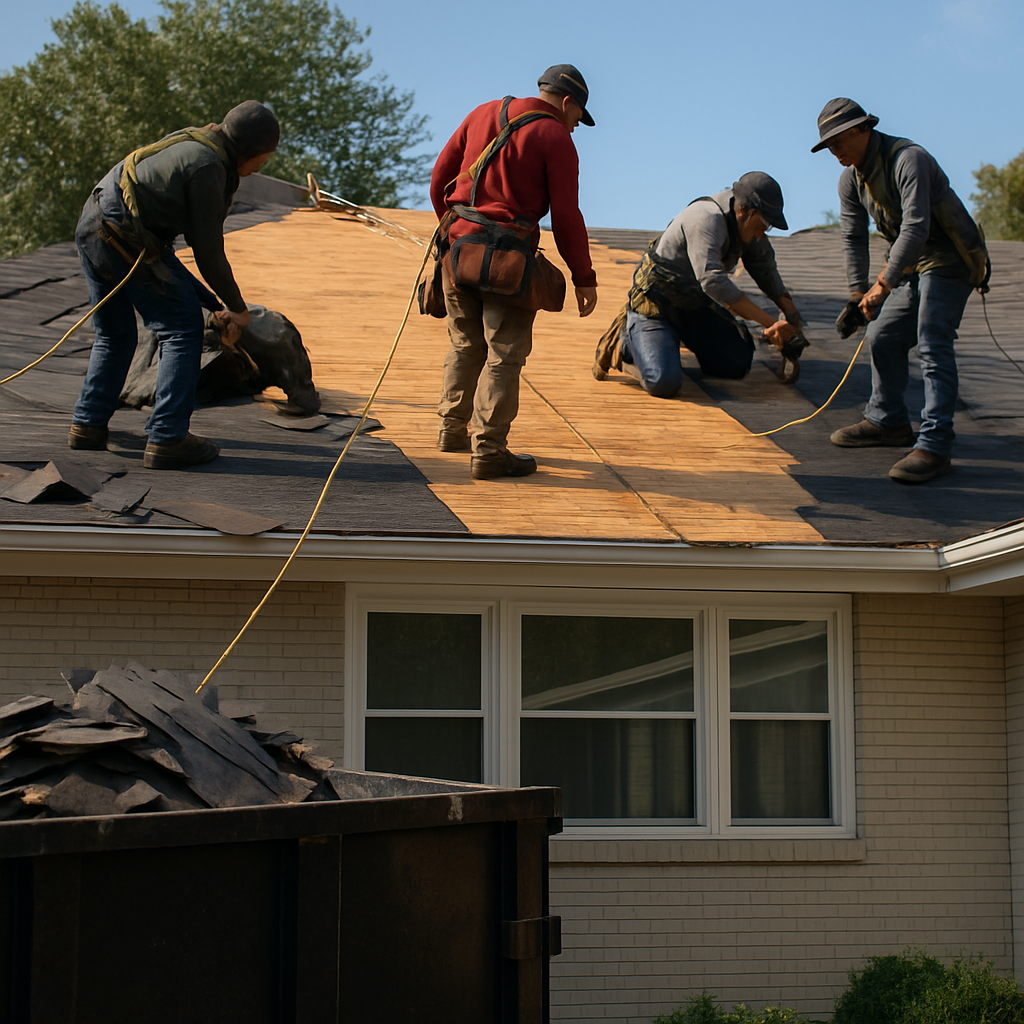
- Preparation and removal: tear off versus overlay, dumpster and disposal fees, number of roofing layers to remove.
- Underlayment and waterproofing: synthetic or felt underlayment brand, and ice and water shield coverage in valleys, eaves, and critical penetrations.
- Shingles or membrane: brand and model such as GAF Timberline HDZ or a specified TPO membrane, stated exposure and warranty grade.
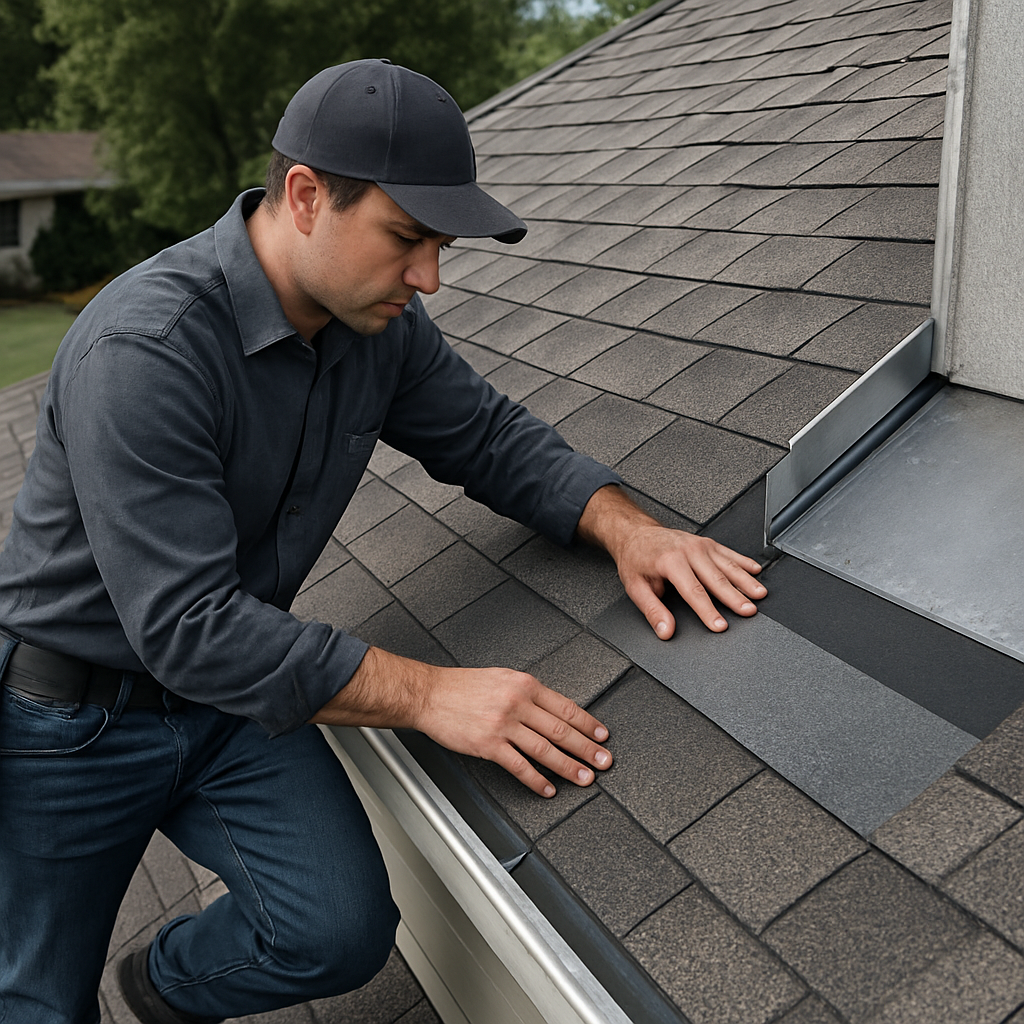
- Flashing and penetration work: step flashing, counterflashing, pipe boots, skylight flashing, and valley treatments.
- Ventilation and attic work: ridge vents, intake vents, baffle installation, and any required soffit repairs.
- Decking repair allowance: per sheet or per hour cost for replacing rotten decking and how it will be documented on change orders.
- Accessory and finishing work: gutter and downspout replacement, chimney counterflashing, ridge caps, and final cleanup.
Practical limitation: A low bid that lists only shingle brand and square footage is rarely an apples to apples offer. Tradeoff: paying more up front for full tear off, synthetic underlayment, and generous ice and water shield reduces risk of early failure and often lowers life cycle cost compared with a cheaper overlay solution.
Concrete example: Expert Roofing might quote a full tear off with GAF Timberline HDZ, GAF Ice and Water Shield in valleys and eaves, synthetic underlayment, ridge vent upgrade, and a decking replacement allowance. That line by line scope makes it easy to compare to a second quote that lists only Owens Corning shingles and a single price, because you can flag missing items such as underlayment brand or ventilation upgrades.
Judgment that matters: Buyers frequently underweight flashing and ventilation. In real projects poor flashing details and inadequate ventilation are the most common causes of premature shingles failure and leak callbacks. Prioritize quality flashing materials and a clear ventilation plan over slightly cheaper shingles when you must choose where to allocate budget.
Where to look for deeper standards: Use manufacturer installation requirements and trade guidance when you review quotes – for practical standards see NRCA and for local service examples see Trusted Roofing In Bay Saint Louis MS.
Line items a professional quote should list and why each matters
Key point: A professional roofing quote is valuable only when it names specific materials, measurable scope, and explicit costs. Vague estimates that say standard materials or typical labor hide the real differences that determine longevity, warranty eligibility, and downstream risk.
Core line items and what to watch for
- Scope header: exact roof areas included, square footage, and whether the quote covers the whole roof or just sections. Without this you cannot normalize bids.
- Tear off versus overlay: number of roofing layers to be removed, per square pricing, and disposal. Tear off raises cost but reduces hidden rot risk and is often required by code.
- Underlayment type and brand: synthetic versus felt, brand name such as CertainTeed High Performance or GAF FeltBuster, and underlayment exposure. Underlayment selection affects wind performance and warranty eligibility.
- Ice and water shield coverage and brand: list the manufacturer and the precise locations covered eaves, valleys, and dormers. Partial coverage is a frequent cost saving that risks premature leaks in cold climates.
- Shingle brand and model with exposure and warranty grade: e.g. GAF Timberline HDZ 6 inch exposure, class of warranty. Model matters for life expectancy and cosmetic match when doing partial repairs.
- Flashing replacement details: step flashing, continuous counterflashing, pipe boots, valley treatment, and whether lead or stainless steel is used. Poor flashing is the single biggest cause of repeat leaks.
- Ventilation items: ridge vents, intake vents, powered attic fans, and baffle installation. Vent work affects shingle life and interior moisture problems; underspecified ventilation equals a future claim.
- Decking repair allowance and pricing: per 4×8 sheet price or hourly carpentry rate and an explicit maximum. Open ended language invites surprise change orders for rotted sheathing.
- Labor, crew estimate, and schedule: estimated crew size and job duration. Cheap labor with unrealistic schedules produces rushed flashing and missed details.
- Dumpster, disposal fees, and permit costs: line items should be separate. Permit responsibility must be clear to avoid last minute owners paying fees.
- Accessory work and exclusions: skylight flashing, chimney counterflashing, gutter work, and temporary tarping for emergency roof repair. If these are excluded the contractor should list them as priced options.
- Fasteners and sealants: specify screw type for metal roofing or ring shank nails for shingles and the sealant brand. Corrosion resistant fasteners matter where coastal salt exposure exists.
Tradeoff to consider: Choosing overlay saves immediate cash but transfers significant risk. Overlays are faster and cheaper but mask decking rot and often void premium manufacturer warranties that require full tear off and certified installation.
Concrete Example: A homeowner received two bids for the same 25 square asphalt roof. Quote A from a local roofer listed overlay with felt underlayment, generic flashing replacement, and a labor line only. Quote B from a professional outfit itemized a full tear off, GAF Ice and Water Shield in valleys and eaves, synthetic underlayment, GAF Timberline HDZ shingles, explicit decking replacement priced per sheet, dumpster, permit, and a five year workmanship warranty. The lower initial price looked attractive until the homeowner learned the overlay would disqualify the GAF extended warranty.
Warranty, registration, and exclusions — the lines that decide future cost
Important: The warranty block must name the manufacturer warranty program and the contractor workmanship period and state who registers the manufacturer warranty and when. Some premium programs require certified roofing contractors and proof of system components; that should be on the quote.
- Verify brand names and model numbers not generic terms so you can check life expectancy and compare material warranties.
- Insist on a decking repair cap or fixed per sheet price to limit open ended change orders.
- Require permit and inspection language so final occupancy or permit sign off is part of contractor responsibility.
- Ask for warranty registration steps and proof of submission before final payment.
Next consideration: Use this itemized checklist to normalize competing quotes line by line and flag omissions that represent real future costs rather than mere accounting differences. For a quick reference template see the sample comparisons later in this guide or consult NRCA technical resources at NRCA for best practices.
How to scope the roof condition before you request quotes
Start with the attic. Most homeowners and facility managers miss the obvious by only looking from the street. A quick attic check reveals active leaks, wet insulation, daylight through decking, and areas of rot that change a repair versus replacement decision and shift cost by thousands.
Use a short, repeatable checklist. Record: visible moisture stains, active drips, mold or rot smell, daylight penetration, roof deck sag, evidence of prior patching, insulation condition, and ventilation configuration. Note exact locations and approximate dimensions.
Tools and techniques that matter
Practical tools. Drone photography for roof coverage, a moisture meter for suspect decking, a FLIR thermal imager for attic cold spots, and a borescope for visualizing tight flashings. Each tool reduces guesswork — but each has limits: thermal images need the right temperature differential to be useful, and drones can miss under-eave issues.
- On-ground inspection: look for missing or curled shingles, heavy granule loss in gutters, and rusted flashing.
- Attic inspection: note water stains, insulation wetness, and ventilation blockages.
- Roof surface photos: north and south exposures, hips and valleys, flashings and penetrations.
- Document layers: estimate number of existing roof layers visible at rake or penetration.
Document and attach evidence to your RFP. Timestamped photos and a short annotated sketch reduce ambiguity. Add measured roof area and pitch estimate, the number of existing layers, and whether soffits or fascia need replacement. Contractors will price to your documented scope instead of guessing.
When to require a contractor schematic. If the roof has multiple materials, complex rooflines, skylights, or suspected decking damage, demand a simple roof plan that shows proposed tear off limits, ice and water shield zones, flashing replacement, and decking allowance per 4×8 sheet. This is nonnegotiable when comparing multiple bids.
Real-world example: A coastal home in Mississippi had staining on the ceiling but no obvious shingle loss. An attic check found rotten eave decking and a failing roof-to-wall flashing. The owner included a decking replacement allowance and flashing diagram in the RFP; bidders who ignored those items submitted low bids that became change orders during work.
Judgment call and tradeoff. A DIY scope will catch most red flags and keeps quotes honest, but a formal condition report from a certified inspector is worthwhile when you need manufacturer warranty enrollment, an insurance claim, or when quotes differ widely. Relying solely on visual street inspections is a false economy.
Attach attic photos, a short sketch with dimensions, and a stated layer count to every request for quote to force apples to apples pricing.
Next consideration. After you scope and document condition, include those findings in your RFP and require bidders to either accept that documented baseline or list exceptions explicitly. That step prevents low initial bids turning into expensive surprises.
Step by step method to compare multiple roofing quotes
Start with normalization, not price. When bids arrive treat them as drafts to be converted into the same language: scope, materials by brand and model, labor, allowances, exclusions, warranties, timeline, and payment terms. You will not reliably compare until every line is translated to the same units and assumptions.
- Create a one page normalization table. For each quote list roof squares, tear off versus overlay, underlayment brand and type, ice and water shield area, shingle brand/model, flashing scope, ventilation work, decking allowance (per sheet), dumpster/permitting, labor hours or crew size, and warranty specifics.
- Force brand names and model numbers. Replace vague words like premium or heavy duty with specifics such as GAF Timberline HDZ or Owens Corning Duration so you can compare expected service life and warranty eligibility.
- Turn allowances into limits. If a quote shows a decking allowance of $1,200, convert that to number of 4×8 sheets at a per sheet cost and labor rate so you know how many bad sheets that covers.
- Compare warranty terms side by side. Note manufacturer warranty type, prorating, required installer certification for full coverage, and the contractor workmanship period and remedies.
- Identify exclusions and change order triggers. Highlight anything that pushes responsibility back to the owner: hidden deck rot, permit delays, or landscaping protection.
- Verify credentials before scoring. Check license, current insurance via an ACORD form, manufacturer certification, and local references. Reject quotes lacking verifiable insurance or license numbers.
- Score and weight the bids. Assign weights to scope completeness, materials, warranty value, contractor credibility, and total cost. Score each quote and rank by weighted total.
- Confirm timeline and payment milestones. Avoid large upfront payments and insist on final lien waivers and a small retained payment until permit final or owner inspection.
Scoring rubric example
| Criteria | Weight | How to evaluate |
|---|---|---|
| Scope completeness | 30% | Full tear off, ice and water shield in valleys/eaves, flashing list included |
| Material quality and warranty | 25% | Specific brand/model listed; manufacturer registration required |
| Contractor credentials | 20% | License, ACORD insurance, references, manufacturer cert |
| Price and allowances | 15% | All-in cost after normalization and realistic decking estimate |
| Timeline and payment | 10% | Reasonable schedule and limited deposits |
Concrete example: You receive three bids. Quote A is a $12,400 full tear off with GAF Timberline HDZ, GAF Ice and Water Shield in valleys and eaves, synthetic underlayment, and a $1,200 decking allowance. Quote B is $9,000 overlay with Owens Corning Duration and felt underlayment and no decking allowance. Quote C is $13,500 full tear off with CertainTeed Landmark, full flashing replacement, and certified installer paperwork required for the extended warranty. After normalization Quote B looks cheapest but carries the highest risk of premature failure and change orders; it scores lowest once warranty and decking exposure are weighted.
Practical tradeoff and judgment: Choosing the lowest number is tempting, but overlays and missing ice and water shield are common sources of future expense. If the property has known ice or wind exposure, pay up for correct underlayment and certified installation. Conversely, if the roof is simple, low pitch, and short term ownership is planned, an overlay with upgraded ventilation may be a defensible, lower cost choice.
Next consideration: After ranking, ask the top candidate for a concise change order procedure and a final price validity window. If you need a reference on industry best practices for scope and inspection, see the NRCA guidance at NRCA Technical Resources or include a short scope sketch when you request follow up from bidders.
Primary cost drivers and national ballpark ranges to use for budgeting
Direct assertion: Budget planning fails when you treat a roofing quote as a single line item. The price you get depends on six to eight discrete variables that change labor, materials, and risk exposure more than any single brand name.
- Roof area and pitch: Larger roofs and steep pitches increase labor time and safety rigging costs; contractors price by the square (100 square feet) and adjust for pitch.
- Tear off versus overlay: Full tear off adds disposal and labor but exposes decking problems. Overlay is cheaper now and usually shorter lived.
- Decking condition and replacement: Replacing rotten decking is a common hidden cost. Ask for per sheet or per square allowances in the quote.
- Material choice: Asphalt, standing seam metal, tile, and single ply have very different installed costs and lifespans. Warranty programs and required certified installers can add cost.
- Flashing and detail complexity: Valleys, chimneys, skylights, and many penetrations drive material and labor line items; complex flashing can double detail labor.
- Access, disposal, and permits: Tight yards, multi story access, dumpster placement, and municipal permit fees add predictable line items.
- Ventilation and insulation work: Adding ridge vents, soffit baffles, or attic insulation often shows up as separate scope but materially affects long term performance.
- Timing and emergency work: Emergency roof repair or work in storm season costs more; insurance claim handling can complicate timelines.
| Job type | Typical installed cost per square (100 sq ft) | Ballpark whole roof for typical single family (1,200-2,000 sq ft) | Notes |
|---|---|---|---|
| Asphalt architectural shingles (full tear off) | $350 – $600 | $5,000 – $14,000 | Depends on layers removed, underlayment choice, and ice and water shield coverage |
| Standing seam metal roofing | $800 – $1,800 | $12,000 – $40,000 | Premium life cycle, may require certified installers for warranty |
| TPO / EPDM single ply (low slope) | $350 – $700 | $6,000 – $15,000 | Seam welding labor and insulation substrate affect cost |
| Tile roofing (clay or concrete) | $800 – $2,000 | $15,000 – $50,000 | High weight needs decking reinforcement and specialized labor |
| Roof coatings (restoration) | $60 – $200 | $1,200 – $6,000 | Viable only where substrate and flashing are sound |
| Skylight or flashing replacement | $400 – $2,000 | Per item | Flashing complexity and curb work raise cost |
Concrete example: A 1,800 sq ft ranch is about 18 squares. A full tear off with synthetic underlayment, GAF Timberline HDZ, ridge vent upgrade, limited decking repairs, and dumpster will typically land between $8,000 and $16,000 depending on pitch and access. If the deck needs extensive replacement the price can push above that range quickly, which is why a decking allowance matters.
Practical tradeoff: Choosing overlay to save money now can be costlier in five years if hidden deck rot accelerates failure. Conversely, choosing the highest end material does not always pay back if roof detailing and ventilation are poor. In practice spend where it reduces long term risk – proper flashing, full ice and water shield in vulnerable areas, and correct ventilation are higher ROI than premium shingle upgrade alone.
Next consideration: When you request quotes include the same assumptions about tear off, underlayment, ice and water shield coverage, and decking allowance so bids are comparable. If you want a practical template to align scopes, use the sample normalization table later in this article and refer to NRCA for industry standards on installation and Trusted Roofing In Bay Saint Louis MS | Quality Service for an example contractor scope presentation.
Warranties, permits, insurance, and contract terms you must confirm
Start here: do not authorize work until the contractor produces three verifiable documents — a registered manufacturer warranty (if promised), an ACORD insurance certificate naming the property owner when requested, and a copy of the permit application or issued permit. These are not formalities; they are the practical controls that limit your financial and operational risk.
Warranties: what to read that others skip
Manufacturer vs workmanship: manufacturer warranties cover product defects under specified conditions; workmanship warranties cover installation errors and come from the contractor. Both matter — a shingle defect under warranty is useless if the installer failed to install required underlayment or ventilation that voids coverage.
- Check registration requirements: many premium programs such as GAF Golden Pledge require a certified installer and roof registration within a short window after completion.
- Confirm coverage details: is the warranty non prorated or prorated, transferable, and what voids the warranty (missing ice and water shield, improper attic ventilation, or unapproved accessory brands)?
- Get warranty paperwork before final payment: insist on a draft of the registered warranty or a written plan to register it and a timeframe for delivery.
Permits and inspections
Who pulls the permit matters: contractors commonly say they will secure permits, but you must confirm who pays fees, who is listed as the applicant, and whether final inspections are required. If the permit lists the homeowner as applicant, you may be the one called for questions or fines.
Practical trade-off: letting a contractor handle permits reduces owner hassle but increases risk if the contractor cuts corners; pulling the permit yourself gives oversight but shifts administrative burden to you. Most owners are best served by contractor pull combined with documented proof of application and final sign-off.
Insurance and contract terms to lock down
- Require an ACORD certificate: verify general liability limits (minimum $1,000,000) and workers compensation. Ask the carrier to confirm policy number and expiration date by phone.
- Make payment conditional on deliverables: avoid large up-front payments; set milestones with holdbacks (final 5 10 percent) and require lien waivers for payments.
- Define change order procedures: all scope changes must be written with unit pricing for decking or hidden damage and a cap on daily labor rates.
- Completion acceptance checklist: include attic inspection, photos of flashing details, permit final, and warranty registration confirmation as conditions for final payment.
Concrete example: a homeowner in coastal Mississippi accepted a low quote that promised a 10 year workmanship warranty. After storm-driven decking rot was discovered during tear off, the contractor demanded a separate decking replacement charge and delayed warranty registration until final payment. The owner had not required a binding change order process or lien waiver, which complicated recovery and added cost.
Important: a long warranty from an unstable company is worth less than a shorter warranty from a licensed, insured, and certified contractor.
Final judgment: insist on verifiable, prework documentation and concrete contract triggers for payment and warranty activation. That discipline prevents the usual failure modes: unpaid final inspections, unregistered warranties, and open change orders that inflate the final bill.
Sample side by side comparison using three hypothetical quotes including an Expert Roofing example
Straight to the point: a low sticker price often hides a narrower scope. Normalizing three bids side by side reveals exactly where contractors shorten work or shift risk to the owner.
| Line item | Quote A — Expert Roofing (hypothetical) | Quote B — Local Roofer | Quote C — Regional Chain |
|---|---|---|---|
| Scope | Full tear off to deck, 2,000 sq ft | Single layer overlay, 2,000 sq ft | Full tear off, 2,000 sq ft |
| Shingle brand / model | GAF Timberline HDZ, 30 year | Owens Corning Duration, 25 year | CertainTeed Landmark, 30 year |
| Underlayment | Synthetic WeatherBlock, full deck | Asphalt felt, full deck | Synthetic, full deck |
| Ice & Water Shield | GAF Ice and Water Shield in eaves and valleys | Limited ice shield at eaves only | Full valley and eave coverage |
| Ventilation | Ridge vent upgrade and two static vents | No ventilation changes | Ridge vent only |
| Decking allowance | $1,200 allowance (up to 6 sheets) | No allowance; billed if found | $2,400 allowance (up to 12 sheets) |
| Flashing | Full flashing replacement: step, chimney counter, pipe boots | Spot flashing work only | Premium flashing package included |
| Workmanship warranty | 5 year workmanship warranty | 1 year workmanship warranty | 3 year workmanship warranty (extended options) |
| Manufacturer warranty | 30 year non prorated per GAF terms; registration provided | 25 year limited; owner responsible for registration | 30 year conditional on certified installer status |
| Total price | $12,200 | $9,500 | $14,800 |
Practical insight: the cheapest bid here is Quote B but it shifts two big risks to the owner: overlay increases future decking inspection difficulty and there is no decking allowance. In practice that often becomes a change order after tear back or during the first heavy storm.
How to score these bids quickly
- Scope completeness: full tear off with ice and water shield gets 10 points; overlay gets 4 points
- Warranty value: registered manufacturer warranty plus multi year workmanship gets 10 points; unregistered or short warranty gets 3 points
- Material quality: named brand and model scores higher than generic descriptors
- Risk transfer: explicit decking allowance and permit handling reduce owner exposure
Concrete example: a homeowner with an asphalt shingle roof showing granular loss and intermittent leaks ordered three quotes. They chose Quote A from Expert Roofing because the slightly higher price included a decking allowance and full ice and water shield coverage. Two months later a section of decking required replacement and the preapproved allowance avoided a large surprise bill.
Judgment: pay more for predictable scope, not for the highest brand name alone. Quote C demands a higher price but ties its extended warranty to certified installer status, which can be useful if the owner confirms that certification up front. Quote A balances warranty registration, clear allowances, and practical ventilation upgrades; that combination usually produces better long term value for typical residential reroofing.
Check warranty fine print: some premium manufacturer warranties require certified installers and specific underlayment or ventilation to be valid.
Practical procurement checklist and next steps after you choose a contractor
Start strong: the job isn’t secure until the contract, permits, insurance, and a clear payment plan are in place. Signing a price estimate is not the same as executing a defensible contract. Treat the period between selection and mobilization as a short, high-value project: lock scope, liability, inspection points, and change-order rules before crews show up.
Before crews arrive
- Signed contract: scope sketch, start/end windows, specific product names and exposure, and written acceptance criteria
- Proof of permit application or permit: confirm who pulls permits and include permit fee responsibility; check local rules at International Code Council
- Insurance certificates: request
ACORDform with general liability and workers compensation; ask the insurer to name the property owner if required - Warranty registration steps: who will register manufacturer programs (owner or contractor) and timeline for registration
- Payment schedule and retainage: clear amounts, triggers for progress payments, and final holdback tied to permit final or signed acceptance
- Staging, access, and neighbor protection plan: dumpster location, crane or material delivery windows, and debris control
Practical trade-off: a larger retainage protects you from incomplete punch lists and undisclosed decking work but frustrates cash flow for smaller contractors. Aim for 5-10% retainage or an escrow arrangement if the contractor objects; never pay the full contract before final inspection and lien release.
During work and handling change orders
- Daily documentation: require photos of tear-off progress, flashing details, and attic/decking condition after tear-off
- Written change orders only: no verbal approvals; each change order must list cost, time impact, and owner signoff
- Decking discovery protocol: if rot or bad decking is found, require contractor to stop, photograph, provide a decking replacement quote per sheet, and obtain owner approval before proceeding
- Temporary weatherproofing: contractor responsibility to make the roof watertight at day end; document with photos
Concrete example: A coastal homeowner in Pascagoula contracted a full tear-off using GAF Timberline via Expert Roofing. When crews exposed rotted plywood under a valley, the contractor issued a written change order with per-sheet pricing, replaced three sheets after owner approval, and the owner withheld the final 7% until the permit final was posted. That sequence avoided a surprise bill and preserved warranty registration.
Final acceptance and records: require a final walkthrough checklist that includes photos of all flashing, attic inspection showing no daylight or moisture, signed completion acceptance, permit final or certificate, warranty confirmation, final invoice, and a full lien waiver. Store these in your asset system and link to the job file for future resale or insurance claims.
| Required document | Purpose |
|---|---|
| Signed contract with scope sketch | Defines exactly what will be delivered and is the basis for change orders |
| Permit final / inspection report | Legal confirmation the work meets code and is often required for warranty activation |
| ACORD insurance certificate | Protects owner from liability claims during the job |
| Final invoice + lien waiver | Clears title risk and documents that subcontractors were paid |
| Warranty registration confirmation | Evidence manufacturer coverage and start date |
If the contractor resists required documentation or a small retainage, treat that as a higher-risk engagement; either adjust the contract terms or select a contractor willing to be transparent.