

Practical Roofing Solutions for Homeowners: Coatings, Repairs and When to Replace
If your roof is starting to show wear, you need practical roofing solutions for home that focus on inspection and outcomes, not sales slogans. This guide uses a simple inspection-driven framework to help you decide between spot repairs, coatings, shingle rejuvenation, or full replacement, and ties visible condition and quick diagnostics to realistic cost and lifespan expectations. You will get how-to checks, conservative life-extension ranges for coatings and rejuvenators, ballpark costs, and a contractor-vetting checklist you can use today.
1. Rapid Roof Condition Assessment: What to Look For and How to Document It
Start with a timed protocol. A focused 10 to 20 minute exterior walk and a 10 minute attic check will separate routine maintenance jobs from problems that require immediate action or replacement.
Interior clues to collect
Interior signs matter because they show what the roof is doing to the building. Look for ceiling stains with fresh dark edges, localized mold, soft or bulging drywall, and insulation that is wet or compressed. If stains are present, use a moisture meter or take a time stamped photo series after a dry period to determine whether leaks are active.
Exterior quick checklist
- Asphalt shingles: granule loss exposing mat, widespread curling, cracking, and powdered shingle surface
- Metal roofs: active rust holes, backed out or loose fasteners, failed lap seams and paint failure exposing bare metal
- Low slope membranes: ponding longer than 48 hours, blisters, seam separation and edge lifting
- Flashing and penetrations: missing or split flashing, deteriorated boot seals around vents and chimneys, nail pops
- Deck and structure: any visible sag, localized soft spots, or window of daylight from the attic
Measure affected area rather than guessing. Walk the roof or use binoculars from the ground and estimate percent coverage for each failure type. For asphalt shingles count affected squares or estimate percent of roof field. For membranes mark pooled areas and measure length and width to calculate ponding coverage.
Documentation protocol you can use now. Take geolocated, time stamped photos with a smartphone and name files by location and date. Sketch a simple elevation diagram of the house and mark problem areas with codes such as A for active leak, F for flashing, P for ponding. Gather one attic photo per suspected leak location showing insulation and sheathing condition.
Practical tradeoff to keep in mind. A small active leak over sound decking is cheap to repair. Systemic issues – sagging deck, 25 to 40 percent field degradation, or brittleness across most shingles – are not solved by spot repairs or coatings. Documenting extent early prevents contractors from selling short term fixes when replacement is the prudent choice.
Concrete example: A homeowner in a coastal neighborhood photographed curling architectural shingles over 30 percent of the south slope, took attic photos showing dry but visible daylight at one rafter bay, and uploaded everything to three bidders. Two contractors proposed localized repairs and one documented hidden deck rot on their follow up probe and recommended replacement. The documentation saved the owner from repeated, useless repairs.
Do this now: take geotagged photos, make a labeled elevation sketch, and get a professional probe if attic photos show daylight through sheathing.
If you want reference standards, follow the NRCA inspection guidance and consider using local roof inspection services for a moisture scan before investing in coating or rejuvenation. See NRCA and check examples of local work at Expert Roofing Biloxi.

2. Roof Coatings Explained and How to Choose the Right One
Straight answer: roof coatings are a targeted maintenance tool — not a replacement for a failing roof assembly. When the deck is sound and failure is surface-level, the right coating can buy time, reduce leaks and improve reflectivity; when the substrate has rot, widespread brittleness or structural issues, a coating only delays the inevitable.
Coating chemistries and primary use-cases
Match chemistry to the problem: acrylic (water-based elastomeric), silicone, polyurethane/polyurea and asphaltic emulsions each solve different problems. Acrylics are economical and reflective but fail under ponding water. Silicones handle ponding and UV but require clean surfaces and can be tacky. Polyurethanes and polyureas resist mechanical wear and foot traffic but cost more and need experienced installers.
| Coating type | Best substrate/use | Typical life-extension (realistic) | Key limitation |
|---|---|---|---|
| Acrylic elastomeric | Low-slope membranes, well-drained built-up roofs | 3–10 years | Poor performance with ponding water |
| Silicone | Ponding water areas, aged single-ply, metal with primer | 5–12 years | Sensitive to surface contamination; can attract dirt |
| Polyurethane / polyurea | High-abrasion roofs, walkways, metal | 5–15 years | Higher cost; requires spray equipment and skilled crews |
| Asphaltic emulsions | Bituminous patching and built-up membranes | Short-term patching (2–7 years) | Not a long-term solution on its own |
- Surface prep matters more than brand: clean, remove loose material, treat rust, repair seams and apply manufacturer-recommended primer; skipped prep is the single biggest cause of early failure.
- Warranty caveat: most manufacturers require documented prep and an approved installer for material warranties — verify coverage in writing before work starts.
- Test patch: always require a small adhesion/compatibility test patch in the scope of work and hold final payment until that patch passes after a weather cycle.
Practical trade-off: silicone tolerates ponding and buys more waterproofing in coastal climates, but if you need reflectivity plus easy recoating and the roof drains well, an acrylic will be cheaper up front and simpler to maintain. Choose based on the roof's drainage behavior, not just the lowest quote.
Concrete Example: a 2,500 sq ft commercial shallow-slope modified bitumen roof with occasional ponding and isolated seam splitting received a silicone system (GacoSil-style product) after seams were reinforced and blisters removed. The project cost 0.90–1.60 per sq ft more than an acrylic job but stopped recurring seam leaks and qualified for a 7–10 year warranty because manufacturer prep specs were followed and the installer was authorized.
What installers understate: adhesion tests, deck moisture checks and checking for existing coatings are non-negotiable. A coating over an incompatible old coating or a wet substrate will fail quickly and void warranties — contractor claims otherwise are a red flag.
3. Shingle Rejuvenation: When Roof Maxx and Similar Treatments Make Sense
Direct point: Shingle rejuvenation is a targeted, short to medium term tactic — not a substitute for replacement. It restores lost oils and flexibility to weathered asphalt shingles that remain bonded to the deck and are not mechanically failing.
Eligibility checks and simple field tests
- Bend test: lift a few shingles and flex them by hand. Flexible with grit loss = candidate; if they fracture or powder, they are not.
- Powder test: rub granules between fingers. A chalky powder or heavy granule loss indicates advanced wear.
- Adhesion check: verify shingles are still sealed at the tabs and not lifting across broad areas.
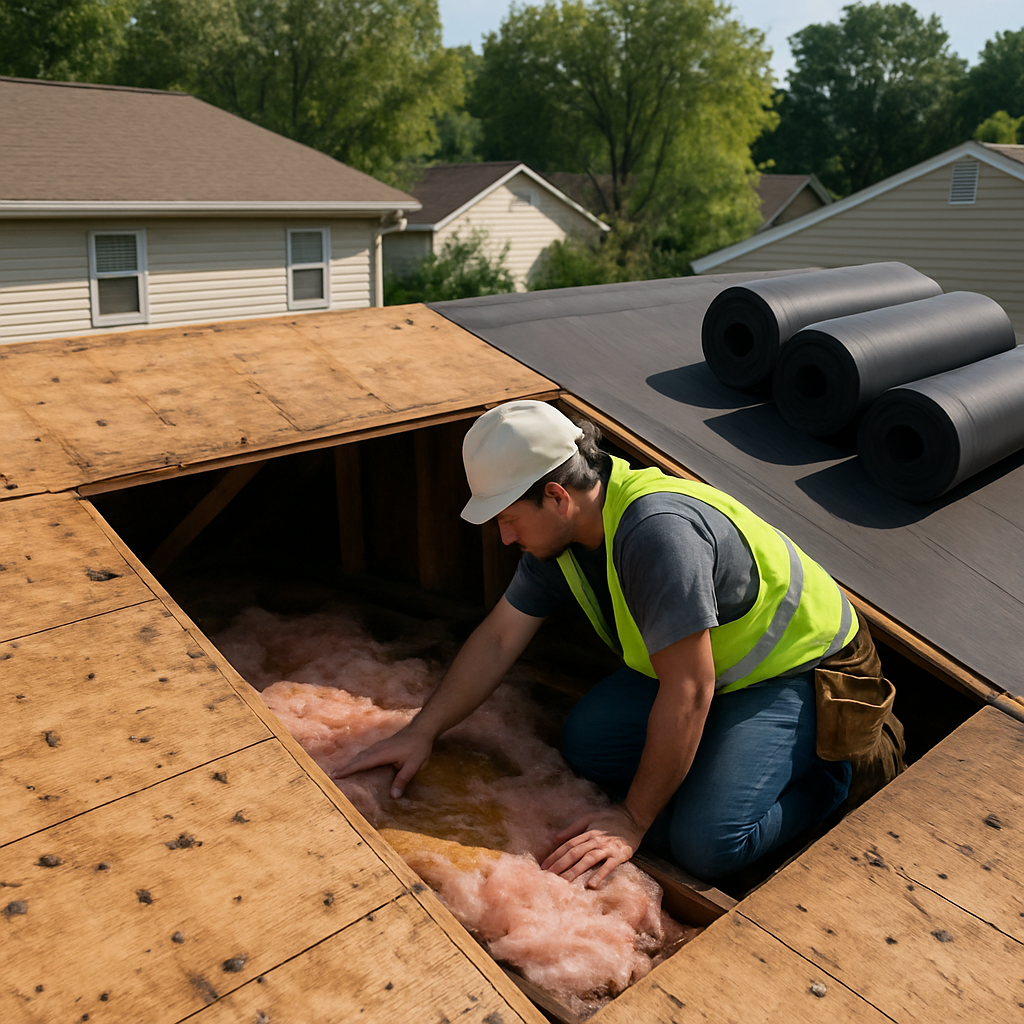
- Deck and underlayment check: use the attic or small exploratory removal to confirm there is no rot or wet insulation.
- Leak history: limited, isolated past leaks are acceptable; recurring leaks across multiple areas are not.
Limitation to accept up front: rejuvenation will not fix failed flashings, blown-off or missing shingles, underlayment failure, or structural deck rot. In practice, treatments work where weathering has dried out the asphalt binder but the assembly remains intact.
Tradeoff to weigh: you can buy 2 to 5 years of useful life in many cases, but that shifts replacement cost down the road rather than eliminating it. That can be a smart budget management move when replacement timing, permit windows, or insurance cycles matter — but it becomes costly if treatments are repeated without addressing underlying failure modes.
Concrete Example: A three bedroom home in coastal Mississippi had architectural shingles with heavy granule loss but no deck wetting. Expert Roofing applied a rejuvenant similar to Roof Maxx and documented improved flexibility at 6 months. The owner gained roughly three years of reliable service while budgeting for a full replacement in favorable weather and with contractor schedules aligned. See local service options at Roofing Contractor In Biloxi MS | Affordable Shingle Roofing.
- Vendor vetting: require a written eligibility assessment, before and after photo documentation, a promise for a follow up inspection at 12 months, and clear statements on what is not covered.
- Cost expectations: typical market pricing runs low tens to a few hundred dollars per 100 square feet depending on prep and travel; request a per-square breakdown and itemized prep work.
- Warranty reality: many rejuvenant claims are for 2 to 5 years; treat manufacturer claims conservatively and insist on a contractor workmanship warranty.
4. Common Repairs and How to Prioritize Them
Start by stopping the water that is doing the damage. Active leaks and failing flashings are the damage vector; everything else is secondary. Triage work into emergency leak-stopping, weatherproofing details (flashings, penetrations), isolated material replacements, then preventive or cosmetic work.
A simple prioritization ladder
- Emergency patching: Stop active leaks to protect interiors and insulation. Use temporary patching or tarps if a safe permanent repair cannot be completed that day.
- Penetrations and flashings: Replace or reseat step flashings, chimney counterflashings, vent boots and valley flashings. These failures cause most recurring leaks and must be correct before coatings or cosmetic work.
- Structural deck and insulation repair: Replace rotted deck and wet insulation. Patching alone leaves the roof vulnerable and can mask bigger problems.
- Material-level repairs: Replace damaged shingles/tiles, repair membrane blisters or small ponding patches, and renew sealants around skylights and vents.
- Preventive details and drainage: Restore gutters, scuppers, and roof drains so water leaves the roof reliably; fix pitch or ponding issues where practical.
Practical trade-off: A temporary patch buys time but increases cost if it delays a proper repair too long. If a small repair will hold for a single season while you budget for a partial re-roof, that is sensible. Repeating band-aids on flashing or multiple leaks is not sensible; recurring fixes usually push you toward replacement sooner and cost more overall.
Common repair types, impact and rough planning ranges
| Repair | Why prioritize it | Typical single-job range |
|---|---|---|
| Shingle replacement (local) | Stops local water entry and prevents interior damage when decking is sound | $150 – $700 |
| Flashing replacement (chimney, step, valley) | Fixes the most common, recurring leak source; often requires decking inspection | $300 – $1,800 |
| Vent boot / pipe penetration repair | Quick fix for leaks around roof penetrations; inexpensive but often ignored | $100 – $400 |
| Small membrane or ponding patch (single-ply/modified) | Repairs waterproofing; for ponding use appropriate chemistry to avoid failures | $400 – $3,000 |
| Deck replacement under localized rot | Stops progressive failure and preserves adjacent roofing | $500 – $2,500+ depending on area |
What owners misunderstand: People often treat coatings or cosmetic shingle swaps as fixes for leaks. Coatings rarely solve failed flashings or rotten decking, and patching visible shingles while leaving hidden penetrations untouched only delays the inevitable. Insist contractors open suspect areas rather than just applying surface fixes.
Concrete Example: A homeowner noticed a ceiling stain after a wind-driven storm. Inspection found rusted step flashings at the chimney and three rotted deck boards under the shingles. The correct sequence was temporary tarping, removal of compromised shingles, replace the three deck boards, install new step flashing and counterflashing, then reinstall shingles — a targeted repair that cost roughly $1,200 and prevented a full tear-off that a surface-only contractor had recommended.
Key judgment: Prioritize repairs that stop moisture movement through the roof system first; visible material damage is lower priority if the underlying flashing and deck are intact.
Practical next step: For any quoted repair, require the contractor to list the expected access methods, whether decking will be exposed for inspection, and how the repair affects manufacturer warranties. If you want waterproofing details explained, see Roof Waterproofing Problems And Solutions In South MS. For inspection standards, consult the NRCA guidance.
5. When to Replace: Objective Criteria and Material Lifespans
Replace when function is lost, not when age alone becomes uncomfortable. A roof reaches replacement the day it can no longer perform its primary job: keep water out and safely transfer loads to the structure. Use objective, documented signs — not sales pressure — to make that call.
Clear, inspectable replacement triggers
- Structural deck failure: widespread rot, soft spots, or sagging revealed by removing shingles or via attic inspection; immediate replacement required.
- Saturation of insulation or sheathing: wet insulation that cannot be dried in place weakens R-value and invites mold; replacement of roof assembly is the correct fix.
- Systemic material failure: when more than 30 percent of the roof area shows curling, brittle or missing material across the field — repairs become uneconomic.
- Recurring leaks after competent repairs: more than two separate, documented leaks in a season or leaks that migrate after patching are a replacement signal.
- Multiple-layer overlays or code limits: local codes or insurance may prohibit further overlays; a third layer is a common trigger for tear-off.
- Safety or fire-code upgrades needed: when replacement lets you meet current code for ventilation, egress, or fire resistance that coatings/patches cannot achieve.
Practical trade-off: if the estimated cost of necessary repairs plus remaining maintenance over the next 3 to 5 years approaches 50 to 70 percent of a full replacement, replace. Patching repeatedly is cheaper short term but raises life-cycle cost and resale complications.
| Material | Typical service life (practical range) | Common replacement trigger |
|---|---|---|
| Three-tab asphalt shingles | 15–25 years | Widespread granule loss, brittle cracking across >30% field |
| Architectural/laminate shingles | 20–40 years | Curling or delamination across majority of roof; repeated leak clusters |
| Metal roofing (coated panels) | 40–70 years | Through-fastener corrosion, panel fatigue, or substrate corrosion |
| Single-ply membranes (TPO/EPDM) | 20–30 years | Seam failure, ponding damage, or extensive patching history |
| Built-up / modified bitumen | 20–35 years | Widespread blisters, splits, or saturated felts |
Real-world example: A 20-year-old house with architectural shingles shows 40 percent of the roof field with curled edges and has had three leak repairs in two years. The deck inspection finds no rot. In this case replacement is the rational choice: repeated repairs will continue, and a new roof creates an opportunity to upgrade ventilation and add reflective underlayment for energy benefit.
Common misunderstanding: homeowners are often told a coating or rejuvenation will postpone replacement indefinitely. In practice coatings buy time only when the substrate and deck are sound. If insulation or sheathing is wet, or shingles are powdering and brittle, a coating is a cosmetic and temporary fix, not a true solution.
Insurance and permitting note: document damage with geolocated photos and an inspector report before contract work. Storm claims, tear-offs, and material changes often trigger permits and influence whether an insurer covers replacement. Use manufacturer-backed product lists and require written warranty confirmation to protect coverage — see NRCA for inspection guidance and local permit rules.
6. Choosing a Contractor: Checklist and Warranty Questions
Hire for warranty reliability, not lowest bid. A low price without verifiable manufacturer backing or clear workmanship language usually costs more later. Insist on documentation up front that ties the promised warranty to specific products, a certified installer list, and a documented claims process.
Checklist to vet a roofing contractor
- License and registration: Verify active state license and local trade registration where required – check the state board website.
- Certificate of insurance (COI): General liability $1M minimum, roofing endorsement if available, workers compensation coverage, and add you as additional insured during work.
- Manufacturer certification: Ask for proof of installer certification for the specific product and verify on the manufacturer website or by phone.
- References and photos: Recent local projects, not just staged portfolio shots; ask for a current contact who will still answer a call.
- Detailed written estimate: Materials listed by brand and SKU, substrate prep, primer requirements, disposal plan, permit responsibility and timeline.
- Warranties in writing: Include material warranty, contractor workmanship warranty, start and end dates, transferability and maintenance requirements.
- Payment and retainage: Limit deposit, staged payments tied to milestones, and a final retainage until final inspection and lien waivers are delivered.
- Permits and change orders: Contractor must handle permits; all change orders must be written and priced before work proceeds.
Tradeoff to accept: A true manufacturer system warranty usually requires a certified installer and stricter prep – that raises cost but prevents warranty denials later. If you choose a cheaper, noncertified crew you reduce upfront cost but you significantly increase the risk of denied claims when a leak or coating failure occurs.
| Warranty type | Typical length | What to verify |
|---|---|---|
| Manufacturer material warranty | 10 to 25 years | Product SKU, serial or batch if provided, and that installer is approved by manufacturer |
| Contractor workmanship warranty | 1 to 10 years | Scope of coverage, how claims are handled, and remedies – repair or replace |
| Manufacturer system or performance warranty | 10 to 25 years | Written confirmation from manufacturer that system installation meets terms and any required maintenance schedule |
Concrete Example: A Biloxi homeowner accepted a lower bid for a silicone coating that included a 20-year warranty on paper. The installer was not on the manufacturer approved list. When ponding developed two years later the manufacturer refused coverage. The homeowner paid to remove and recoat with an authorized installer and lost warranty credibility on resale. Verify certification by calling the manufacturer and request a warranty confirmation email before work begins. For local help see Roofing Contractor In Biloxi MS | Affordable Shingle Roofing.
Questions to ask on the spot
- Is your company listed as a certified installer for this product? Can you provide the certificate number and a manufacturer contact?
- Who issues the material warranty and who issues the workmanship warranty? Request both documents attached to the contract.
- Does the warranty require annual maintenance or inspection reports to remain valid? Who performs that work and what does it cost?
- How are warranty claims handled – contractor first response timeline, escalation to manufacturer, and expected resolution window?
- Will I receive lien waivers at each payment milestone and final lien waiver on completion?
Red flag: Vague scope documents, refusal to show COI, or insists on cash only. Walk away or get the terms fixed in writing.
7. Cost Planning, ROI and When a Coating or Repair Delays Replacement Sensibly
Practical rule: treat coatings and targeted repairs as time-buying tools, not permanent fixes. They make sense when the roof is fundamentally sound and you need to spread capital expenditures, but they are poor value when the deck, underlayment or flashings are failing.
Quick ROI method you can run in five minutes
How to compare options: compute an annualized cost for each option. Divide upfront cost by expected added service life, then add annual maintenance. Compare the resulting cost per year and include likely downstream risk (deck repairs, recurring leaks).
- Annualized cost = Upfront cost / Years of expected service life
- Adjusted cost = Annualized cost + expected yearly maintenance (cleaning, touch-ups)
- Decision filter: If coating annualized cost is materially lower but increases risk of hidden damage or voids future warranties, prefer replacement.
Concrete Example: A typical 1,800 sq ft roof (18 squares) — coating at $1.50/ft² (~$2,700) that realistically adds 6–8 years has an annualized cost of roughly $340–$450/year before maintenance. A full shingle replacement at $9,000 with a 25-year expected life is about $360/year. If coating also saves cooling costs via a reflective product, that narrows the gap; if it risks repeated repairs or masks deck rot, the apparent short-term saving disappears.
When a coating or repair is sensible: use coatings or localized repairs when inspections show no structural deck damage, flashings are serviceable, and less than ~25 percent of the field is compromised. Trade-off: you buy 3–10 years of service and delay a large capex, but you also accept the risk that underlying problems will worsen if not caught and repaired.
- Sensible short-term strategy: coat to delay replacement while budgeting, but require a documented inspection and a re-check schedule (every 12 months).
- When not to defer: evidence of decking rot, brittle shingles across the field, recurring leaks after prior repairs, or if repairs would exceed about 50 percent of replacement cost.
- Financial nuance: include lost warranty value and potential insurance complications in your comparison — these are real costs.
Practical judgment call: homeowners seeking low upfront cost often pick coatings; experienced facility managers insist on strict entry criteria (inspection report, photos, measured percent affected) before accepting a coating as the chosen path. That prevents turning a short-term delay into a long-term money sink.
One more practical note: if energy savings are part of the case, validate them with the Department of Energy guidance on cool roofs and include likely utility savings in your ROI: see Energy-Efficient Roofing.
8. Seasonal Maintenance Schedule and DIY Inspection Tasks
Start with a seasonally timed plan. For most homes a simple, repeatable schedule prevents small problems from becoming tear off jobs and keeps warranty obligations intact.
Quarterly and seasonal checklist
- Spring (post-winter / pre-storm season): clear gutters and downspouts, remove roof debris, check for algae or moss, inspect flashings and roof-to-wall transitions after storms.
- Summer (UV and storm season): look for coating chalking or blistering on low slope roofs, confirm attic ventilation is working, reseal small exposed fasteners on metal roofs.
- Fall (leaf drop and hurricane prep in coastal areas): trim overhanging branches, reinforce loose ridge caps and chimney flashings, ensure gutters are secured and pitched.
- Winter or cold snaps: inspect for ice dams where relevant, check attic insulation and ventilation balance to avoid freeze thaw damage.
- After major storms or high winds: photograph roof from ground, note displaced shingles or panels, schedule a professional check within 72 hours for suspected flashing or decking damage.
Practical tradeoff: more frequent visual checks cost time but let you catch flashing and seal failures early. Climbing the roof yourself saves money but raises safety risk and can void some manufacturer warranties if you damage shingles or walking paths.
DIY inspection tasks that are worth doing
- Attic check: look for new daylight through roof sheathing, damp insulation, or rust on fasteners. Use a flashlight and take photos of wet spots for contractor review.
- Gutter test: run a hose to verify downspouts and scuppers flow freely and check for signs of overflow stains on fascia or siding.
- Flashings and penetrations: inspect around vents, skylights and chimneys for cracked sealant or loose metal and photograph suspect areas.
- Perimeter scan: use binoculars from the ground to note missing shingles, rust streaks on metal, or sagging rooflines.
Use tools that add value. A moisture meter or thermal camera rental will find hidden wet insulation and deck leaks before they show as stains. These diagnostics are cheap compared with cutting replaced decking later.
Concrete example: A Biloxi homeowner scheduled a pre-hurricane season inspection, found loose valley flashing during the attic check, had a contractor reseat the flashing and reseal the valley. That small preventive job stopped multiple leaks during the next storm and delayed a full replacement for four years.
| Maintenance Log Field | Recommended entry |
|---|---|
| Date and inspector | 2026-03-12, homeowner or company name |
| Photo reference | Roof elevation plus file name or GPS-tagged image |
| Findings | Missing shingle at NE valley, rust at metal ridge cap |
| Action and estimated cost | Reseat flashing – $350 estimate |
| Priority | Immediate / High / Medium / Low |
When to call a pro. Schedule a professional preventive inspection annually for vulnerable roofs – metal in coastal salt air, older single ply membranes, or shingles nearing expected life. Professional inspections catch deck rot and flashing failures homeowners miss and tie into roof inspection guidance from NRCA. For local repair and waterproofing issues see Roof Waterproofing Problems And Solutions In South MS.
Key takeaway: a short, seasonally timed inspection routine plus one annual professional visit gives the best balance of cost, safety and early defect detection for durable roofing maintenance.