
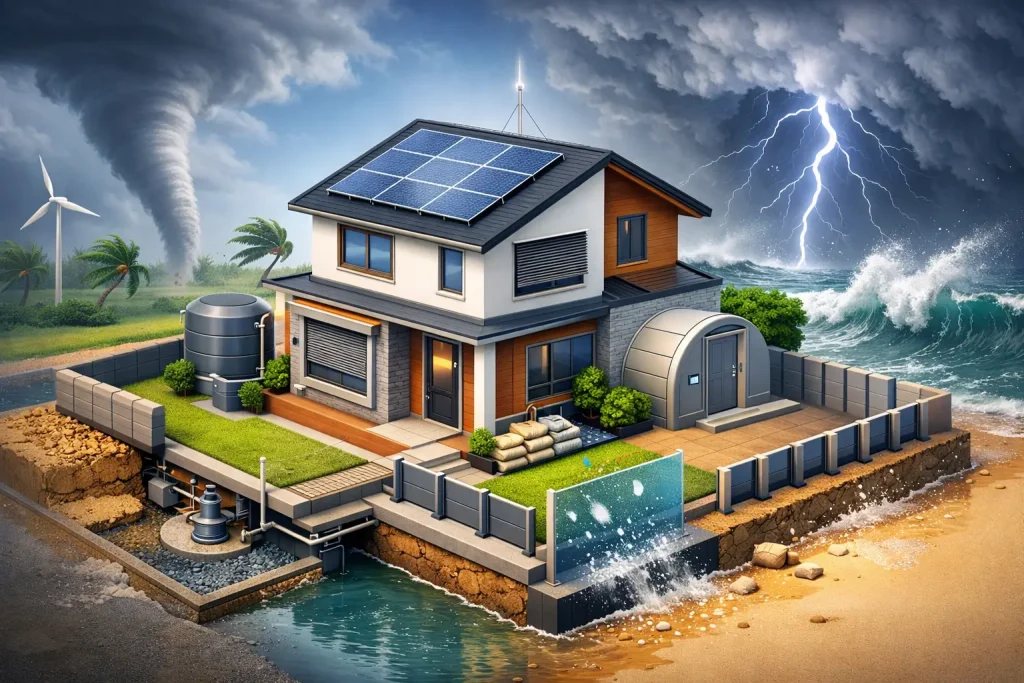
A Gulf Coast home does not have to take a direct hurricane hit to suffer major damage. Wind-driven rain can work under lifted shingles, overloaded gutters can send water behind fascia, and a weak garage door can put the entire structure under pressure. The most useful storm hardening trends for homes are not flashy upgrades. They are practical improvements that keep water out, strengthen vulnerable connections, and make repairs easier after severe weather.
For South Mississippi property owners, the right plan depends on the age of the home, roof condition, tree coverage, flood exposure, and budget. A newer roof may need better ventilation, flashing, and drainage rather than replacement. An aging roof with repeated leaks may be a better candidate for replacement or a restoration system designed to improve waterproofing. The goal is not to spend money on every available product. It is to fix the weak points that can turn one hard storm into an expensive insurance claim.
Storm Hardening Trends for Homes That Matter
Impact-rated roofing is moving from optional to practical
Impact-rated shingles and metal roofing remain a top consideration for homeowners who deal with hail, flying debris, and strong wind events. These materials are designed to better resist damage from impacts that can crack standard shingles or expose the roof deck. That does not mean an impact-rated roof is indestructible, but it can reduce the chance that a smaller storm becomes an immediate leak problem.
The bigger trend is looking beyond the shingle itself. A roof performs as a system. Quality underlayment, properly installed starter courses, sealed penetrations, secure ridge components, and correct flashing around walls, chimneys, and vents all matter. A premium shingle installed over poor details will not deliver premium protection.
Metal roofing is also gaining attention across the Coast because of its long service life and strong wind performance when installed correctly. It is not the right answer for every home. The upfront cost can be higher, and the existing structure may need repair before installation. Still, for homeowners planning to stay put, metal can be a strong long-term option.
Secondary water barriers are becoming a smarter repair choice
Shingles are the first line of defense, but they are not the final line. When wind blows off shingles or drives rain beneath them, the underlayment and roof deck become critical. Modern synthetic underlayments and self-adhering water barriers offer stronger protection than older felt products in many applications.
A secondary water barrier is especially worth discussing during a full roof replacement. It can help limit interior water damage if the outer roof covering is compromised. It is also one of those upgrades that is difficult and costly to add later, since the roof covering has to come off to install it correctly.
This trend reflects a simple reality: homeowners are not only asking how long a roof will last. They are asking how it will behave during the one storm that tests everything.
Roof-to-wall connections are getting more attention
A roof can have excellent materials and still be vulnerable if its connections are weak. Hurricane straps, clips, and other engineered fastening methods help tie the roof structure to the walls. On older homes, a qualified contractor can assess what is accessible and recommend realistic upgrades.
Not every house can be retrofitted the same way. Access to the attic, framing style, local code requirements, and condition of the existing structure affect the scope. But when major roofing work or renovation is already planned, it makes sense to ask whether connection upgrades are possible. Strengthening the structure before the next storm is far less stressful than dealing with a tarp, wet insulation, and ceiling damage afterward.
Better water management is no longer an afterthought
Many storm damage calls begin with a drainage problem. Gutters packed with debris, loose downspouts, missing drip edge, worn fascia, and poor grading can send water where it does not belong. Homeowners are increasingly treating gutters, fascia, trim, and drainage as part of their storm protection plan instead of separate cosmetic projects.
Properly sized gutters and securely attached downspouts move roof runoff away from the foundation. Drip edge helps direct water into the gutter rather than behind it. Sound fascia gives gutters a solid mounting surface. Around the home, grading and extensions should direct water away from the slab or crawlspace.
This is one area where a relatively affordable correction can prevent much larger repair costs. It also needs maintenance. Even the best gutter system will not perform well when it is clogged with leaves, pine needles, or roofing granules.
Garage doors, windows, and exterior openings are part of the envelope
Storm hardening is not only a roofing conversation. Garage doors are large openings that can fail under high wind pressure. Reinforcement kits, upgraded tracks, and wind-rated replacement doors can make a meaningful difference, particularly on attached garages.
Impact-resistant windows and rated shutters are also receiving more attention. They help reduce the risk of broken glass and wind-driven rain entering the home. The trade-off is cost. For some homeowners, starting with roof and drainage repairs, then upgrading the most exposed openings over time, is the more practical plan.
Exterior doors deserve attention too. Strong deadbolts, longer hinge screws secured into framing, weatherstripping, and properly maintained thresholds help keep wind and water out. These are smaller details, but storms find small failures.
Smarter Roof Restoration and Waterproofing Options
Replacement is not always the only solution for a weathered roof. Where conditions allow, roof coatings and waterproofing systems can help extend service life, seal vulnerable areas, and improve water resistance. This can be particularly valuable for low-slope sections, additions, patio covers, and commercial-style roof areas where ponding water and seam failures create recurring leaks.
A coating is not a cover-up for rotten decking, widespread shingle failure, or major structural issues. The surface must be prepared correctly, damaged materials must be repaired, and the product has to match the roof type. When those conditions are met, restoration can be a cost-conscious option that avoids a full tear-off for the right property.
For homeowners with an older roof, the best first step is an honest inspection. Look for soft decking, lifted shingles, exposed nail heads, cracked pipe boots, loose flashing, granule loss, and staining in the attic. A contractor should explain whether a targeted repair, restoration approach, or replacement offers the better value. A vague recommendation is not enough when your home is on the line.
Planning Upgrades Before Storm Season
The best time to harden a home is before a named storm enters the Gulf. Emergency work has its place, especially when a roof needs tarping after damage, but proactive work gives you more choices and better control over cost.
Start by prioritizing the items most likely to create immediate water intrusion: active roof leaks, missing shingles, deteriorated flashing, weak roof penetrations, damaged fascia, and clogged or undersized gutters. Next, consider the larger resilience upgrades that fit your budget, such as impact-rated roofing, a secondary water barrier, garage-door reinforcement, or window protection.
Keep records of roof work, warranties, inspections, and photos of the home before storm season. If damage occurs, clear documentation can help support an insurance claim. It also gives the repair contractor a clearer picture of what changed.
Financing can make a needed roof replacement or exterior repair more manageable when putting it off creates a larger risk. Expert Roofing helps South Mississippi property owners evaluate practical roofing, waterproofing, gutter, and exterior repair options with free estimates and straightforward recommendations.
A hardened home is not a promise that storms will cause no damage. It is a home with fewer easy entry points for wind and water, and a better chance of coming through the next severe weather event with repairs that stay manageable.